In this article
While many advertisers focus on graphics and design, high-quality copy can be the difference between run-of-the-mill performance and massive wins.
But something most brands overlook is where the copy will live or how the reader will perceive it. Successful ad copy works when it pulls a specific psychological lever—such as credibility or urgency—on a platform best suited to that lever.
In this post, we share top-performing 24 ad copy templates, organized by the mechanism that makes them work. We also explain the best platforms to deploy them and give real-world ad copy examples for extra guidance.
Ready to develop a creative strategy backed by performance data? Primer can help you figure out what converts. Contact us to get started.
Trust and proof
People trust other people more than they trust brands. These ad copy formats let your customers, data, and press coverage do the selling for you.
1. The killer testimonial
Social proof is a huge validation for potential customers. Leverage it in your ads by starting off with a testimonial from a customer or press outlet that shouts, “This is amazing!”
When pulling testimonials, look for those that include your company’s Unique Selling Points (USP). So instead of telling potential customers your USP (and risk having them think you’re just overselling your product), you’re letting them hear about it from a real, happy customer.
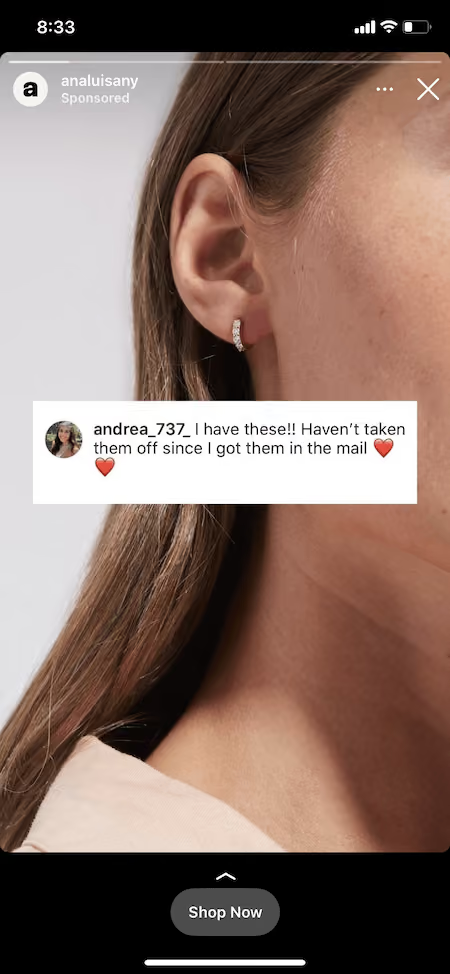
Why this approach works: It activates social validation before the brand has made a single claim. The brand steps back and lets a happy customer do the selling, lowering skepticism from the very first line.
Best for:
- TikTok
- YouTube
2. The award-winner
In competitive placements, such as search results or LinkedIn feeds, proving your credibility cuts through the noise faster than any product claim. Opening with a recognizable ranking, award, or press mention helps you stand out instantly.
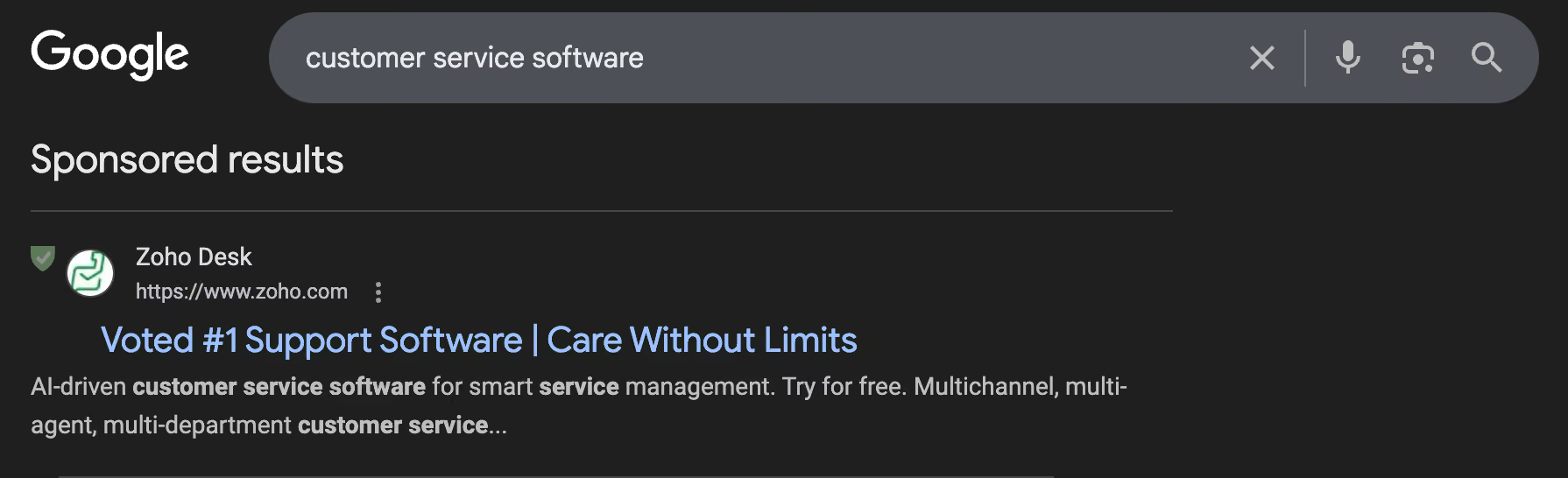
Why this approach works: Trust is earned faster with third-party validation. Awards from credible institutions function as social proof, reducing the customer’s perceived risk.
Best for:
- Google Search
3. Facts and stats
Nothing says “industry expert” more than backing up your claims with data. Pull potential customers in with real facts that describe your product.
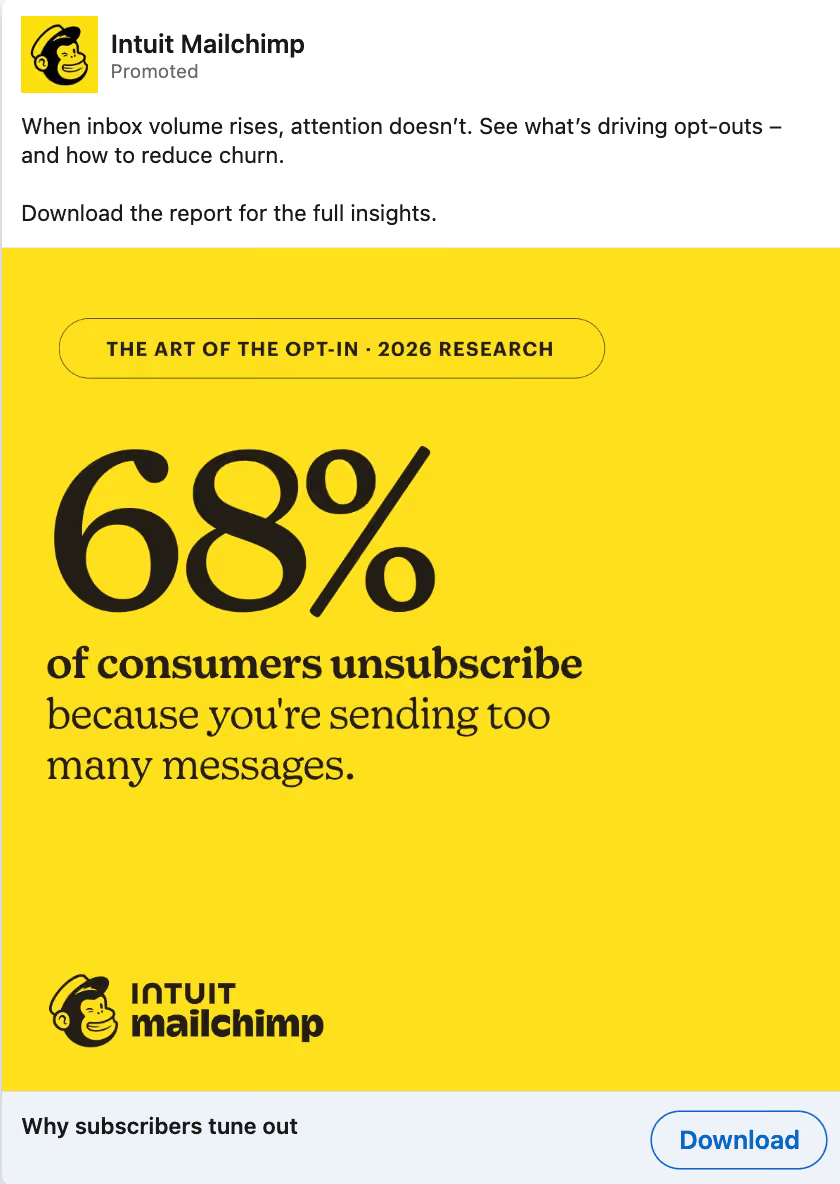
Why this approach works: Specific numbers outperform vague superlatives. In this example, "68% of consumers" is more persuasive and definitive than "many consumers."
Best for:
- Google Search
Urgency and action
These formats work by making waiting feel costly, encouraging the customer to take immediate action.
4. Lead with your discount
Marketers know that a good discount can actually make a company more money in the long-run. If you have a strong discount, put it in your copy to entice people into trying your product.
You can re-frame evergreen offers as "holiday specials" for key times of the year where ad auction competition increases—like Black Friday, Christmas, and Valentine's Day.
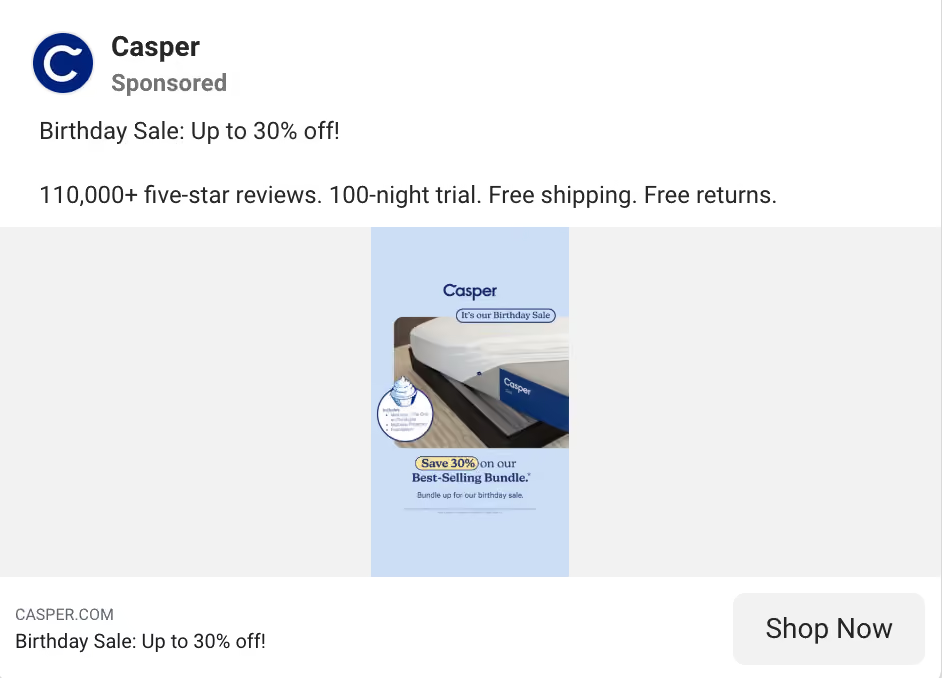
Why this approach works: Price is often the final purchase barrier, so surfacing it early eliminates friction and pre-qualifies intent. The user who clicks on the ad already knows the offer.
Best for:
- Google Search
- TikTok
5. “Almost sold out”
Create a sense of urgency by referencing countdown deals, limited-time offers, and almost-sold-out stock. The fear of missing out (FOMO) compels customers to act quickly rather than procrastinate.
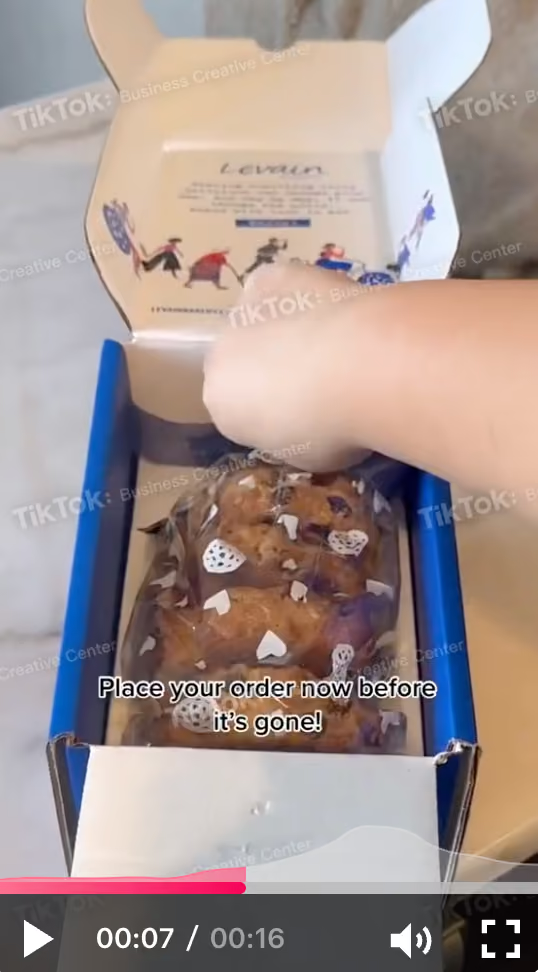
Why this approach works: Communicating scarcity prompts the customer to act. As long as the claim is true, it shouldn’t come across as manufactured.
Best for:
- TikTok
6. Holiday/seasonal call-out
Alluding to the season or holiday around the time you're running your ad helps it feel new and timely. For major gifting holidays, like Christmas, mentioning that your product suits the holiday can also relieve potential customers' stress. This technique communicates that you know exactly what they’re going through and have the solution—why yes, your spouse would love this as a gift.
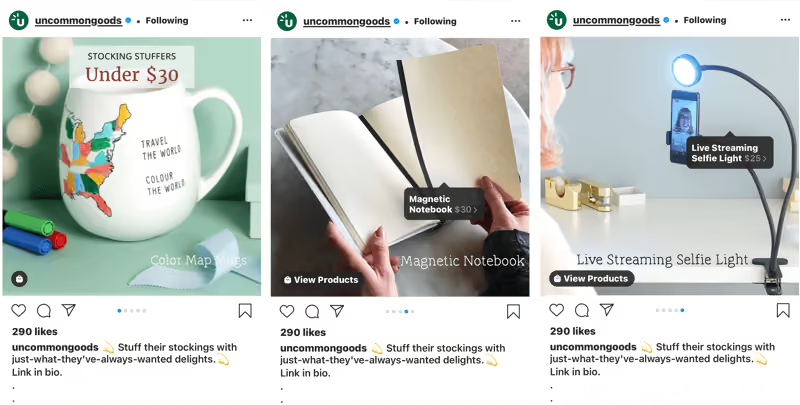
Why this approach works: Timeliness is a scroll-stopper on any visual platform. When encountering seasonal ad copy, the user recognizes the relevance of something to their own context and pays attention before they’ve processed the product.
Best for:
- TikTok
Interrupt the pattern
These formats get the reader to stop scrolling through unexpected structures, tone, or framing.
7. The listicle
People love knowing what to expect and are more likely to engage when a piece of content specifies exactly what they're getting, like starting out with a clear number. Having the number explicitly stated also generates curiosity. Once people start reading, they may not want to leave.
Think of listicles that could help answer key buyer decision questions. Ask yourself:
- What problem does your product solve?
- What do customers feel after using your product?
- Why should customers pick your product over another’s?
- What, exactly, are you selling?
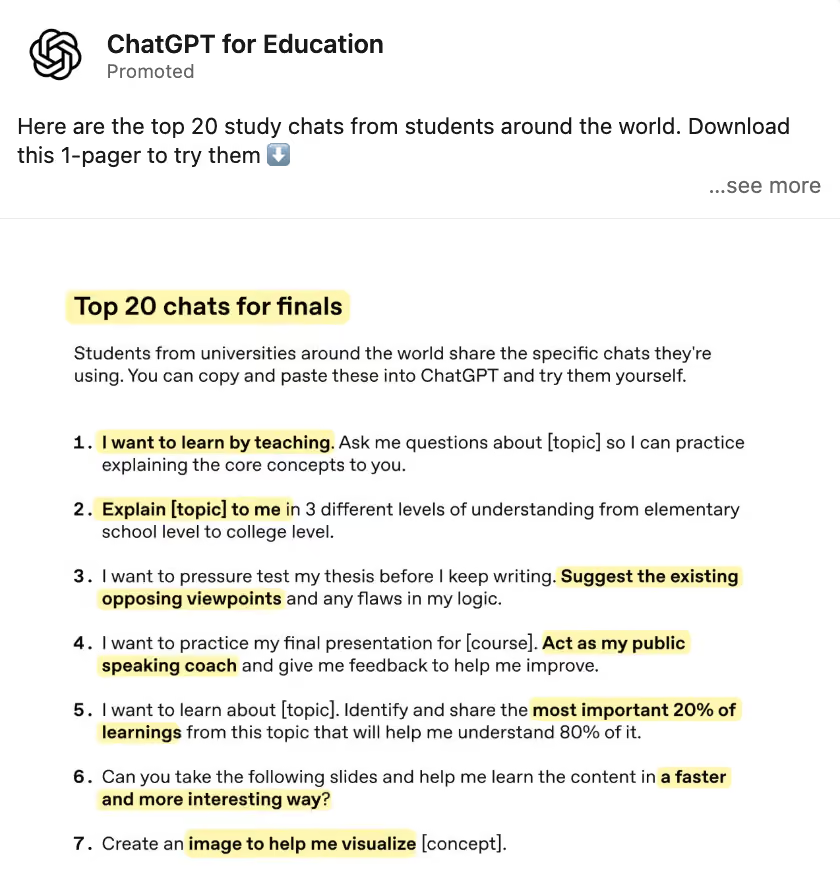
Why this approach works: A numbered structure sets a clear expectation and encourages the viewer to read through each item.
Best for:
8. Playful hook
When you start out with interesting or playful copy, users will want to read the rest of your post. It's like a good story: If you have a strong hook, people will be motivated to find out what happens next.
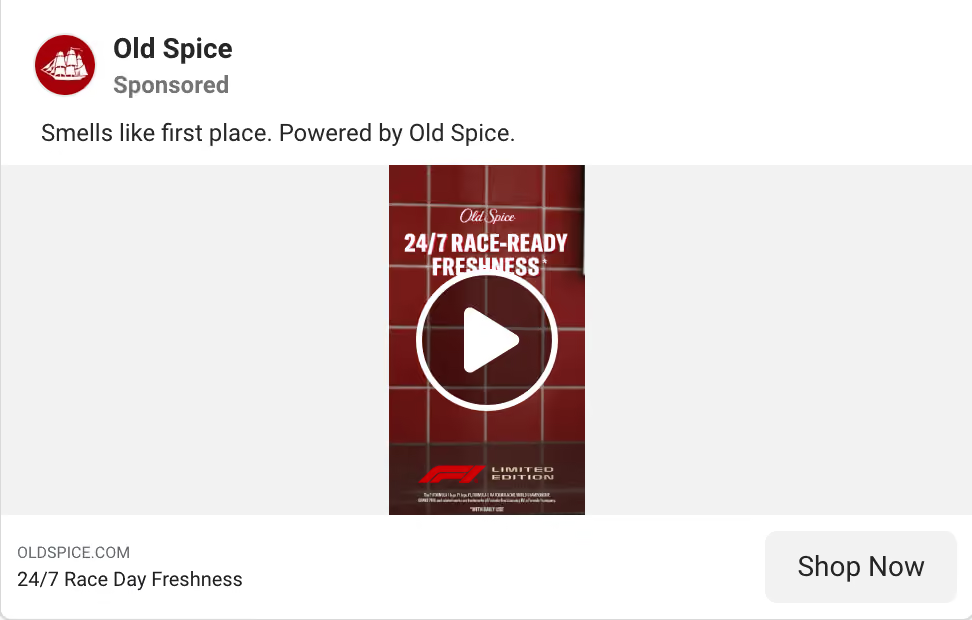
Why this approach works: Curiosity and delight are strong engagement drivers on entertainment-wired platforms. A hook that makes someone smile or pause earns the one thing you need most: a second.
Best for:
- TikTok
9. “[Value prop] is our middle name”
This simple copy template is fun and playful. It also gets straight to the heart of why people should become your customer.
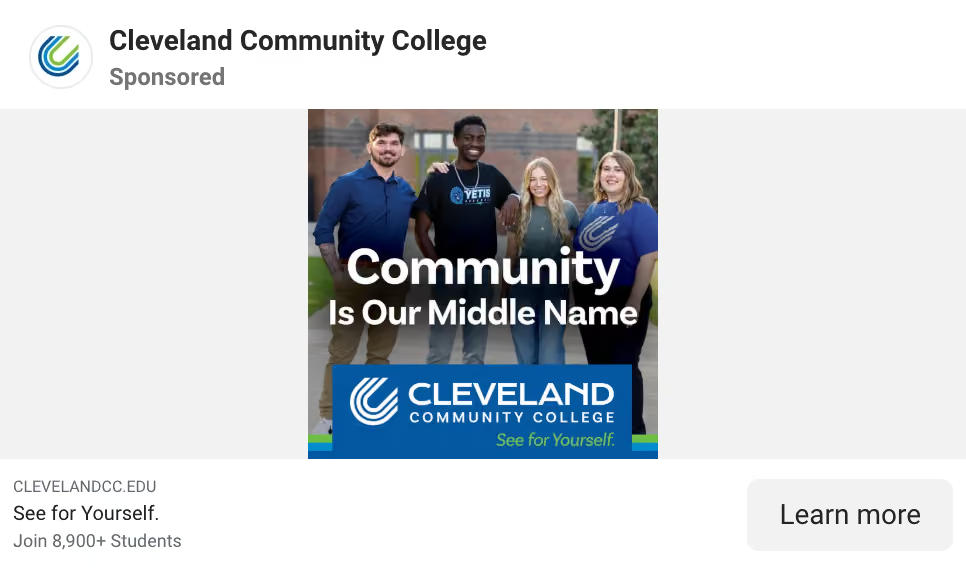
Why it works: Designating something as your middle name signals that your brand didn't stumble into this value. It’s intentional and central to who you are.
Best for:
10. “Before you try [alternative]... watch this”
Most of us can recall Billy Mays' energetic timbre calling out, “But wait! There's more!” While social media ads generally need a little more finesse than that, you can get the same straightforward, powerful energy with this style of copy.
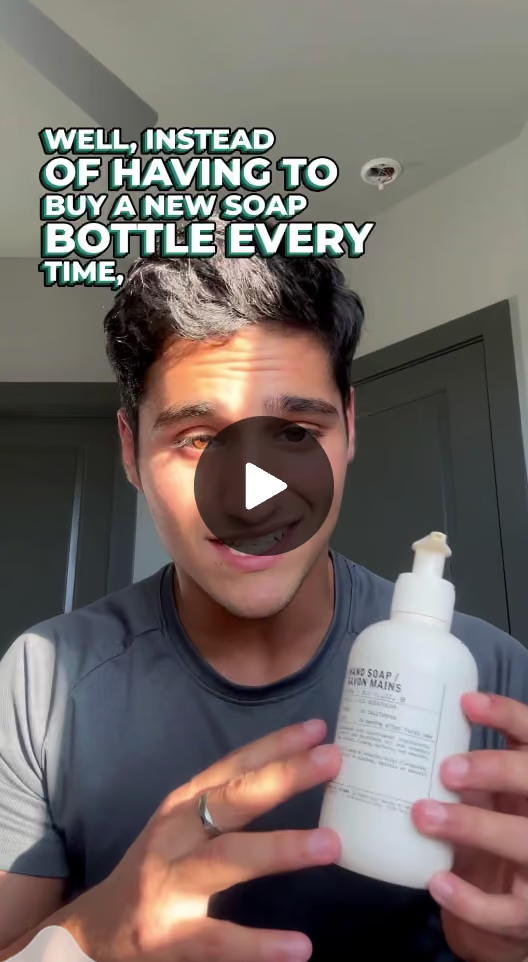
Why this approach works: It positions the brand as the smarter choice that the viewer was about to miss. This framing feels like a favor, not an ad—exactly the point.
Best for:
- TikTok
- YouTube
Spark curiosity
These hooks create information gaps or playful ambiguity that compel the audience to keep reading in order to resolve uncertainty or complete the idea.
11. Call it a "secret"
Branding your product as “a secret” taps into the same desire to buy what other people value. The element of gaining secret knowledge adds to the feeling of exclusivity.
Potential customers want to fit in with the taste makers who already like your product. But they want to stand out as special—having unique knowledge and being an early adopter of what’s cool.
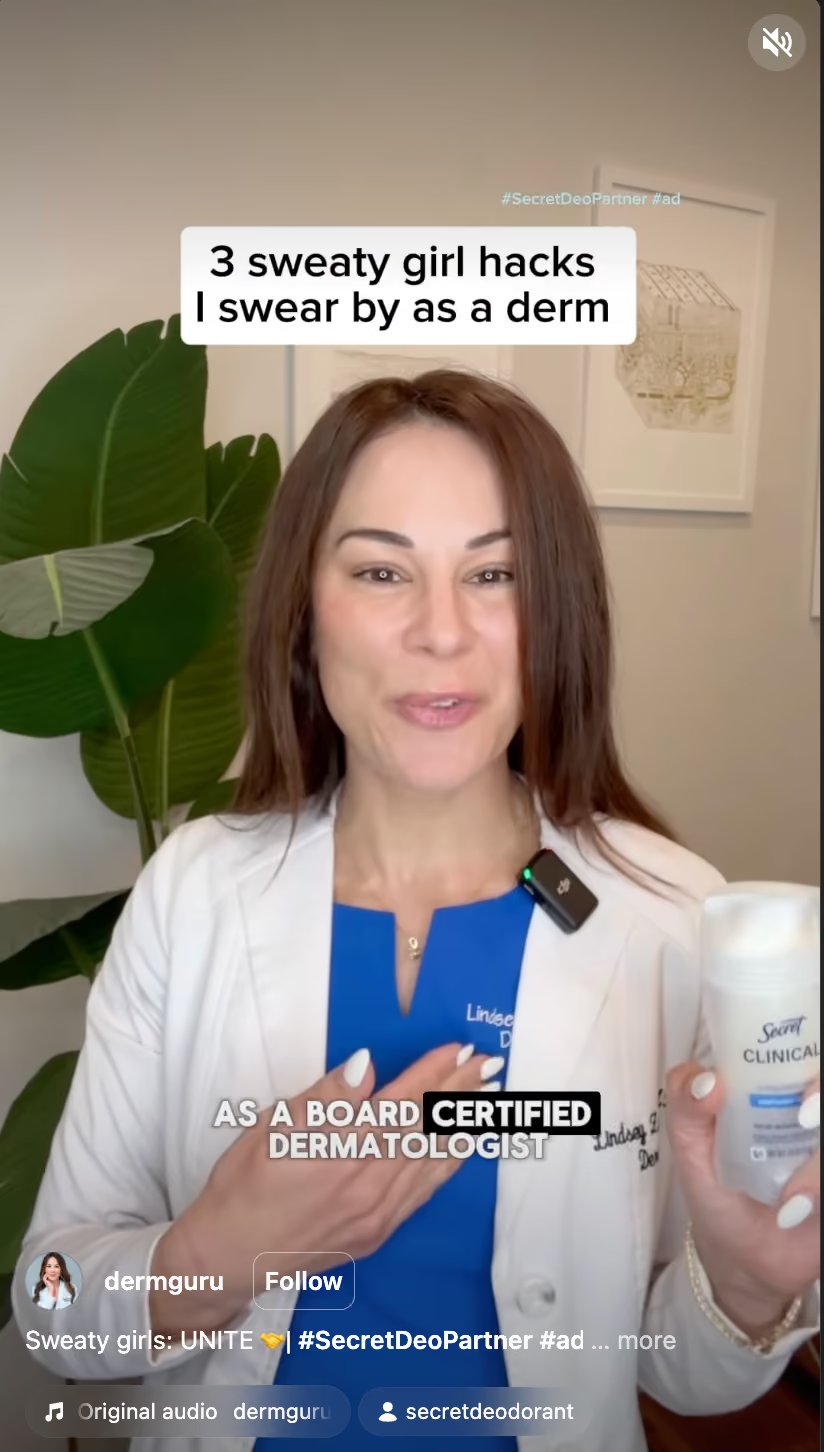
Why this approach works: Framing your product as a discovery removes the feeling of being sold to. Users feel like they've been let in on something and engage more openly.
Best for:
- TikTok
12. So punny
What can we say? People love puns. They also groan at them, sometimes lovingly so (sometimes not). For better or worse, puns stick in people's brains. And when they pop up again in customers' thoughts, it'll be a free reminder of your product.
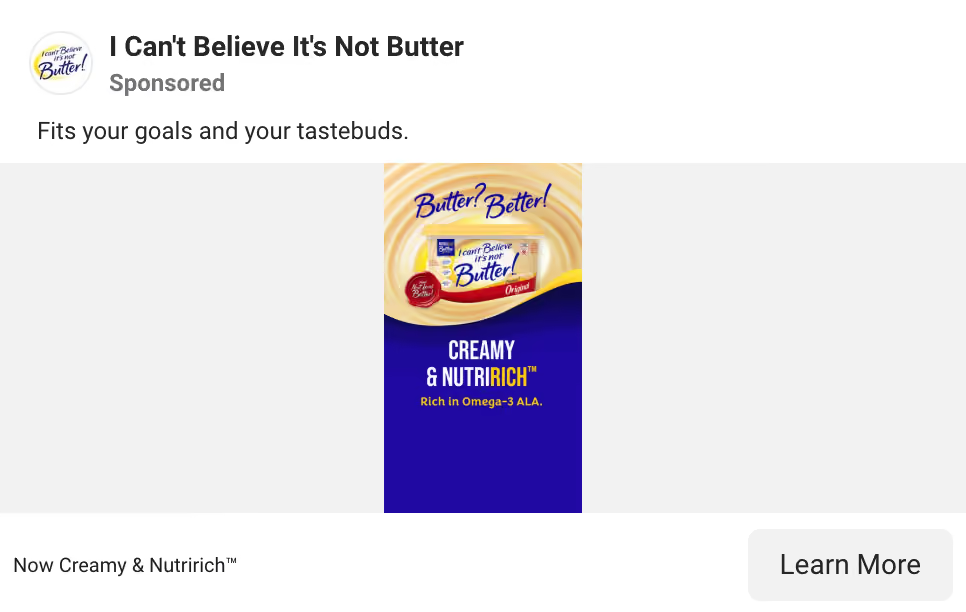
Why this approach works: A well-executed pun is memorable by design. Groaning and smiling make a brand harder to forget—and forgettable is the worst thing an ad can be.
Best for:
- TikTok
- YouTube
13. “Bye, [alternative]”
Bring a bit of irreverence and humor into your copy by waving goodbye to the alternative. With just a couple of words, you can clearly convey what you're setting your business up as an alternative to. This works best when the alternative is universally disliked, so the punchline lands without needing explanation.
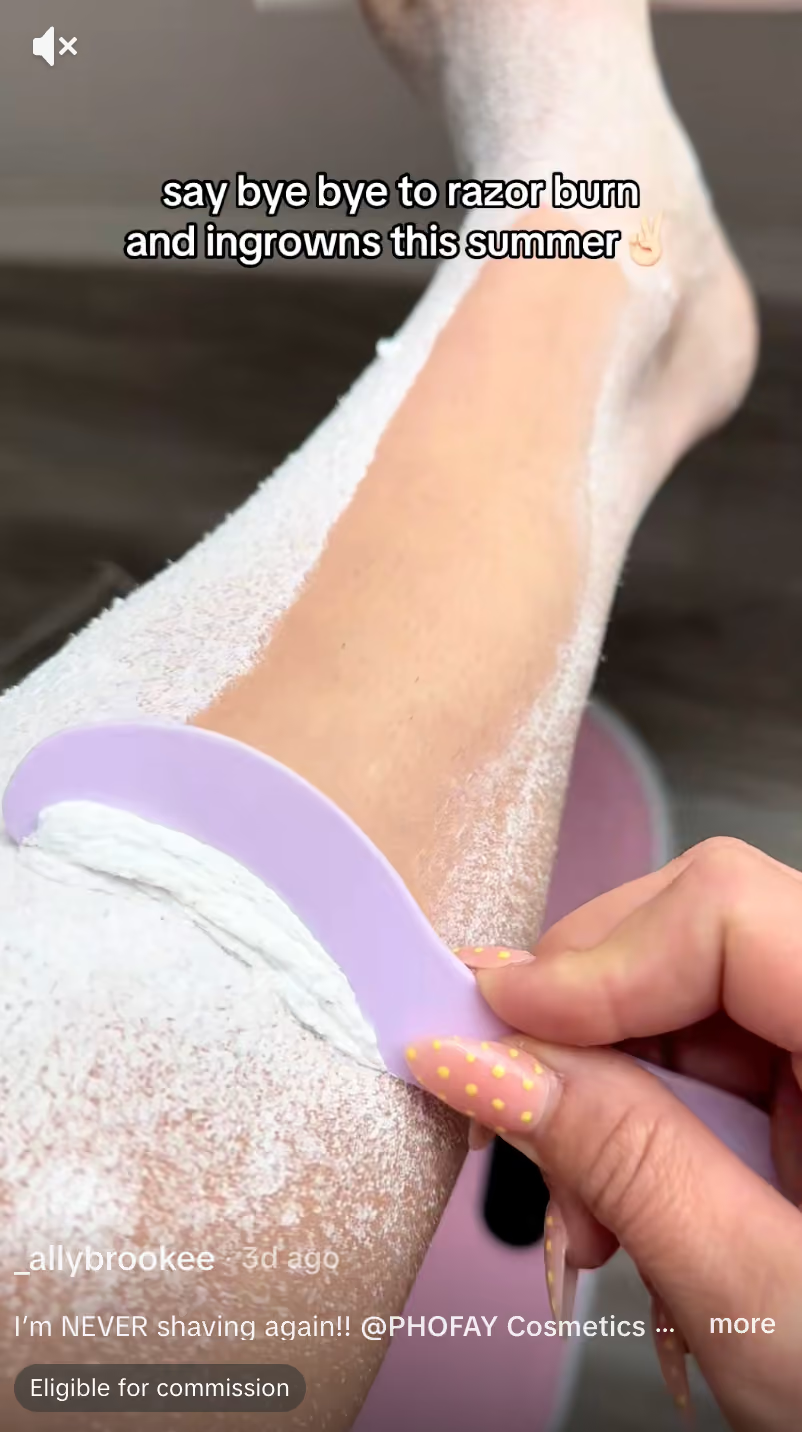
Why this approach works: It does the quick competitive positioning that a paragraph of copy can't. The irreverence signals brand personality while the contrast does the persuasion.
Best for:
- TikTok
14. Humor
Not only does humor help improve people’s opinions about your brand, but it can also get more reactions (be prepared for your post to be covered in the crying-while-laughing emoji). And more reactions generally means increased exposure for your company—be it through people sharing to their feeds, word-of-mouth discussions about your ad, or people following your company’s page for more content.
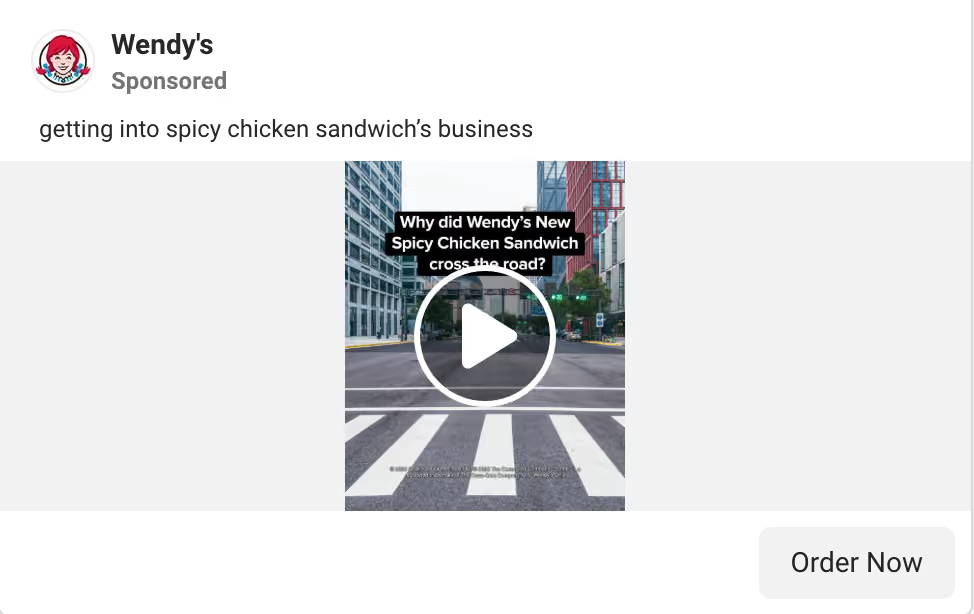
Why this approach works: Humor lowers resistance. The brand that makes you laugh is the one you remember and recommend.
Best for:
- TikTok
15. Meme speak
A great variation on humor, if you need a place to start, is by looking at trending memes on platforms like TikTok and Instagram.
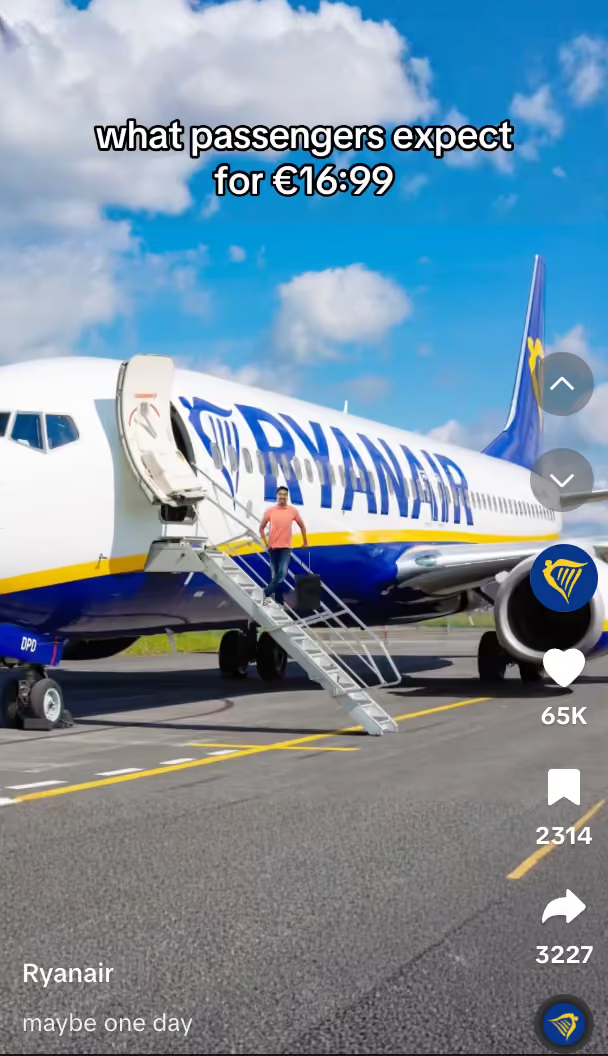
Why this approach works: Users who feel like the brand “gets it” are more likely to engage, share, and remember, extending reach well beyond the initial placement.
Best for:
- TikTok
Educate and explain
These formats give something useful before asking for anything. They work by demonstrating expertise instead of claiming it, building the kind of trust that converts.
16. Solve the problem in one sentence
In intent-driven placements like search and YouTube pre-roll, winning copy is the kind that names the user’s problem and your solution in the same breath. Everything after that (including a clear call to action) is just icing on the cake.
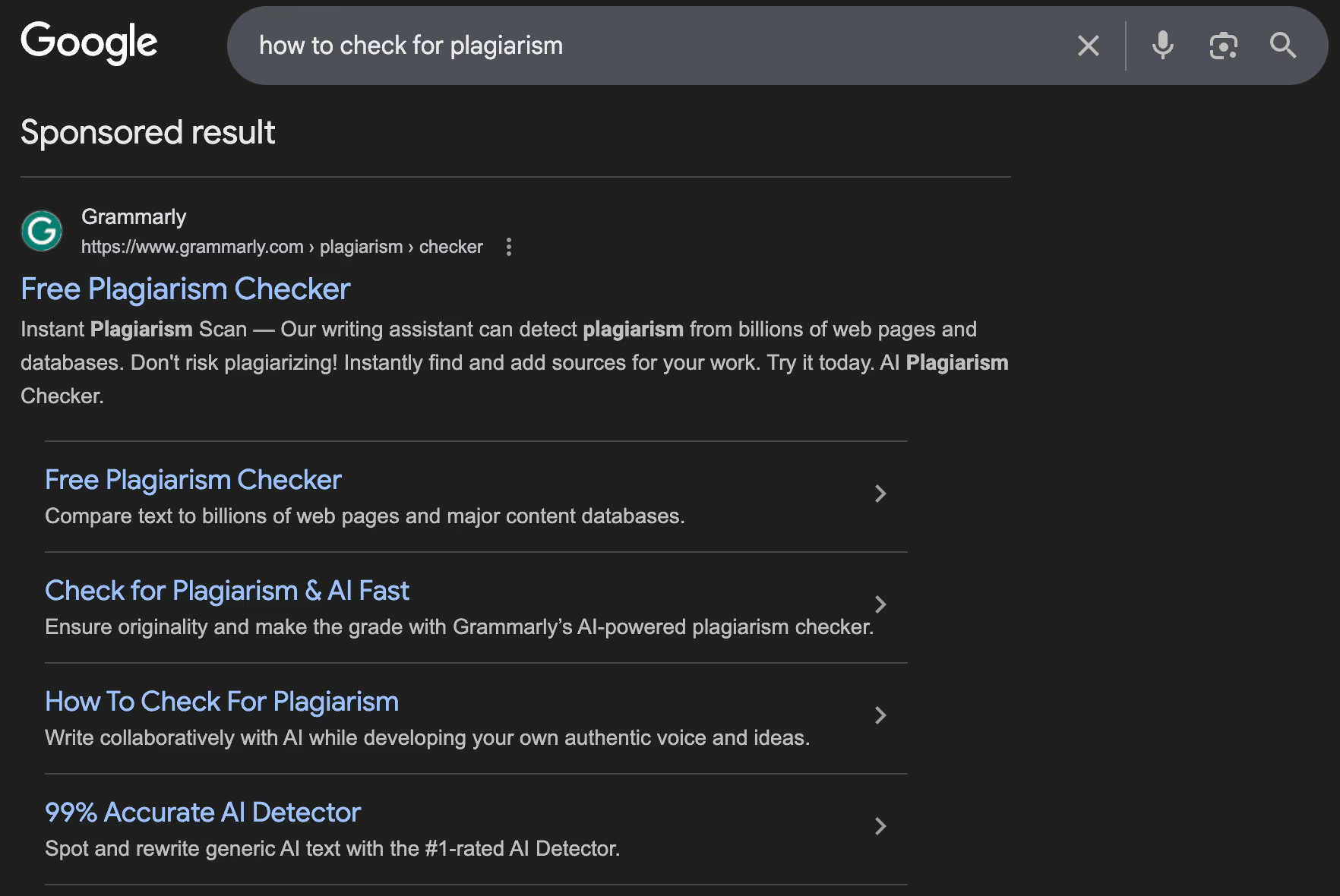
Why this approach works: It matches search intent directly, which improves CTR. When the problem-solution match is obvious from the copy, the click is almost involuntary.
Best for:
- Google Search
- YouTube
17. How it works
Tell your potential customers explicitly how your service or product works to help them feel more confident in your company. Services, subscriptions, and SaaS especially benefit from this style of copy.
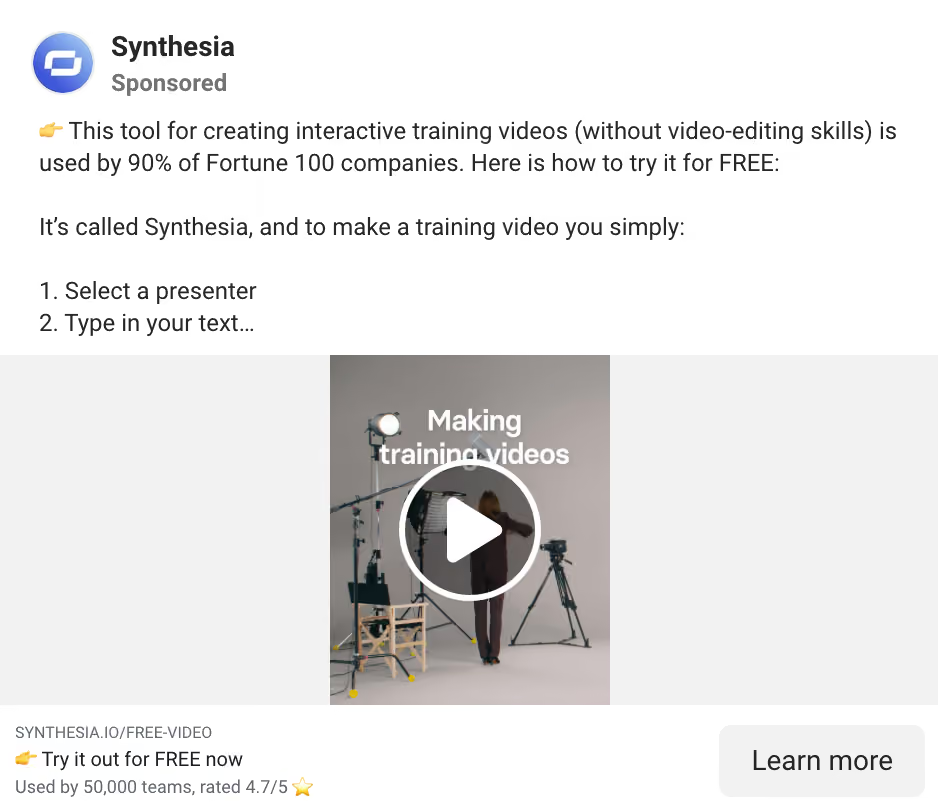
Why this approach works: Confusion is a conversion killer. Clearly explaining what to expect, especially for new product categories, removes friction before the viewer lands on your website.
Best for:
- YouTube
18. Define something industry-wide
Help offer value to your customers by giving them knowledge they didn't have before. This establishes you as a credible source of both information and solutions.
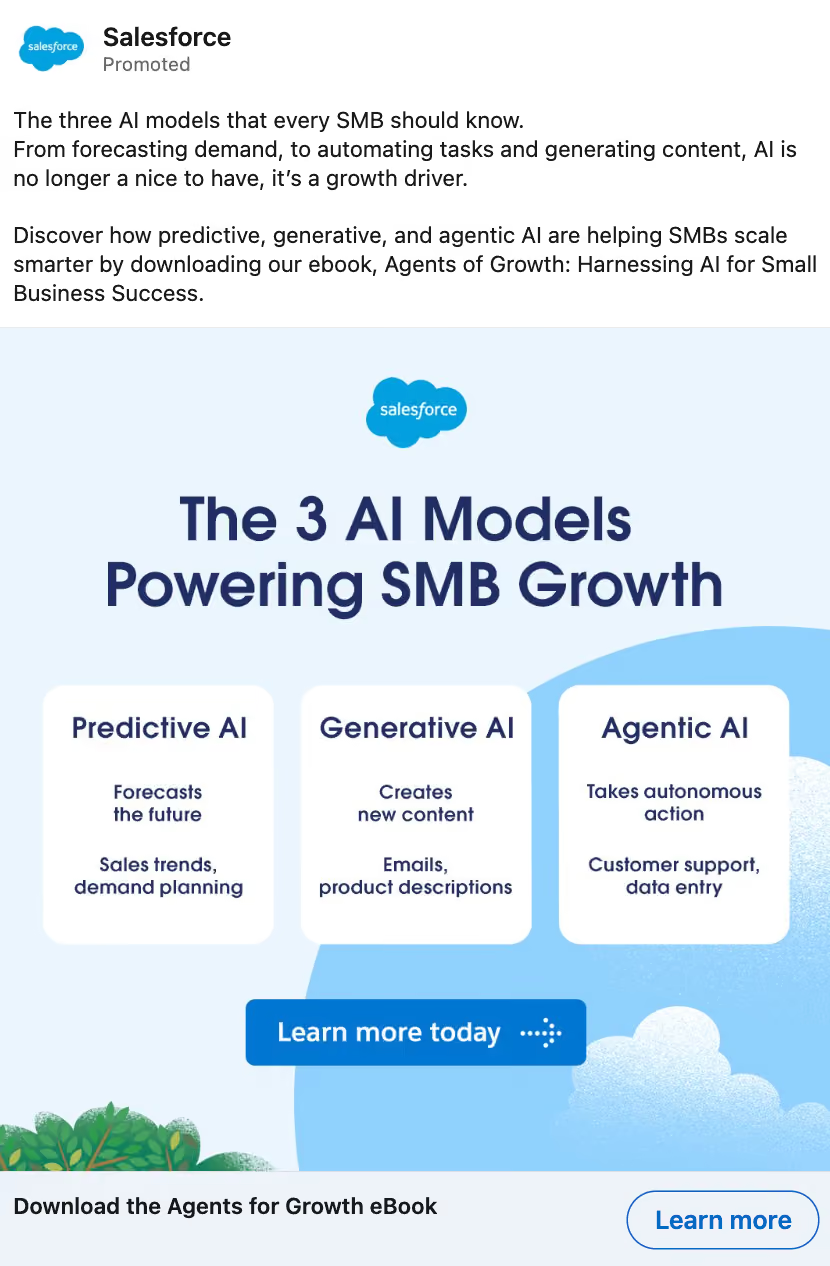
Why this approach works: Educational copy that gives your audience a new framework, stat, or insight positions the brand as a category authority before it pitches anything.
Best for:
- YouTube
19. Value prop equation
This ad copy template offers an easy and simple way to convey the benefits of your product by breaking it down to its useful components. These short and sweet equations can show the user what your product is, how it differs from the competition, and why it brings value to the user.
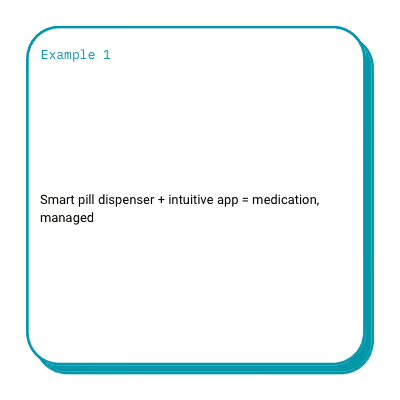
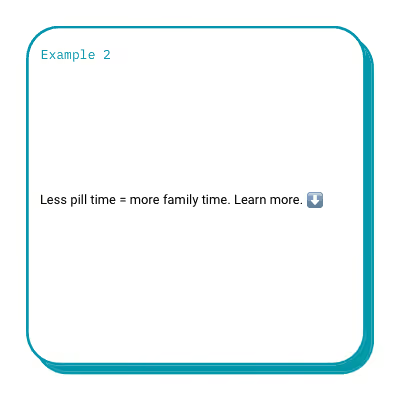
Why this approach works: An equation-style format makes complex offerings, such as subscription services or high-consideration consumer products, more straightforward. The buyer can see exactly what they're getting at a glance.
Best for:
Encourage participation
These formats mentally engage the audience, getting them to choose, evaluate, or respond before they’ve even clicked anything.
20. Enhance with emojis
Make your first-line copy quicker to read by demonstrating key points with emojis, which help with scannability. Each one should replace a word or anchor a benefit.
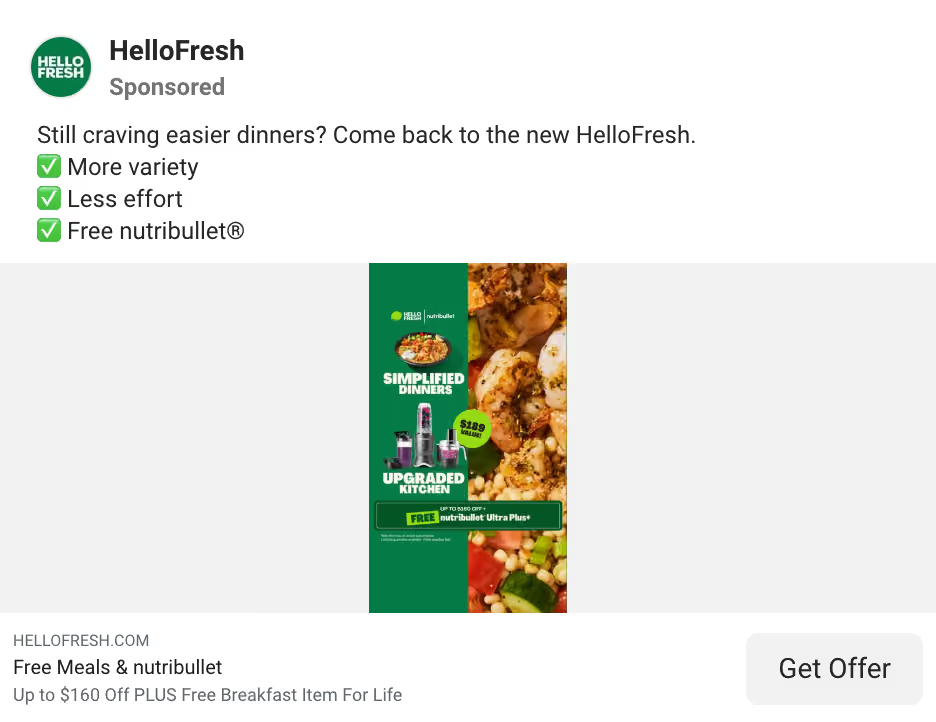
Why this approach works: Emojis break up dense copy, guide the eye, and make key benefits readable in a few seconds. This is especially valuable on mobile, where the viewer’s attention span and screen real estate are both limited.
Best for:
- TikTok
21. Retargeting call-outs
If you're running retargeting/remarketing ads, be sure to include some retargeting-specific copy. It can make customers feel more understood when they see your ads. Instead of focusing on introducing customers to what your product is, use your retargeting copy to offer additional value about your brand. Speaking to their decision process can also make customers feel seen, which can make them feel closer to your company and more likely to hit “buy.”
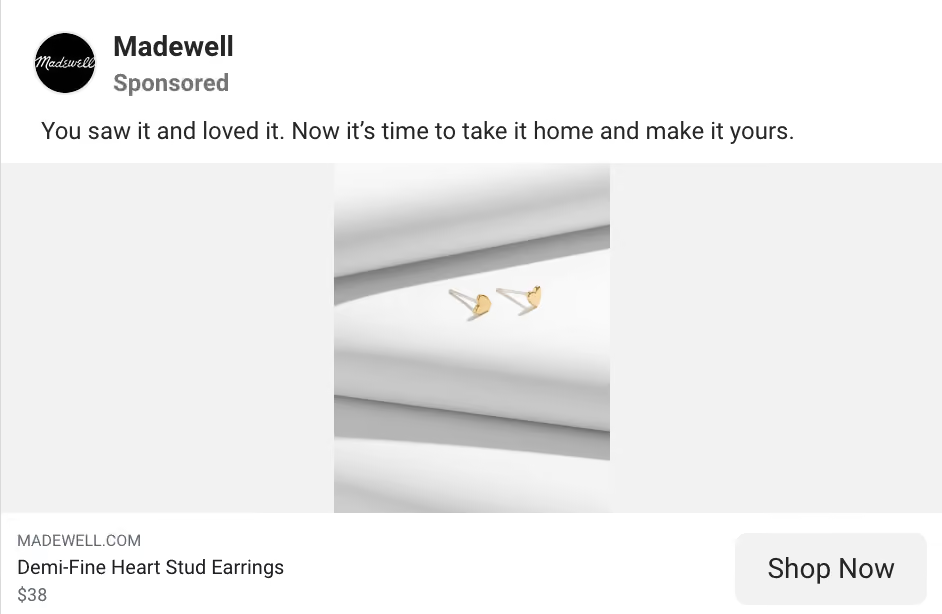
Why this approach works: It demonstrates awareness of the buyer's process and respects their intelligence. Warm audiences convert far better when copy acknowledges prior intent rather than ignoring it.
Best for:
- Google Search
22. Local call-out
Everybody loves feeling seen. If your brand offers local products, city-specific services, or anything geographic-specific, try calling out those residents in your copy. Seeing something that feels local is much more likely to stop their scrolling.
Facebook and Instagram's geo-targeting make hyper-local copy possible at scale. When users see their city or neighborhood called out, the ad feels less like advertising and more like community-relevant content.
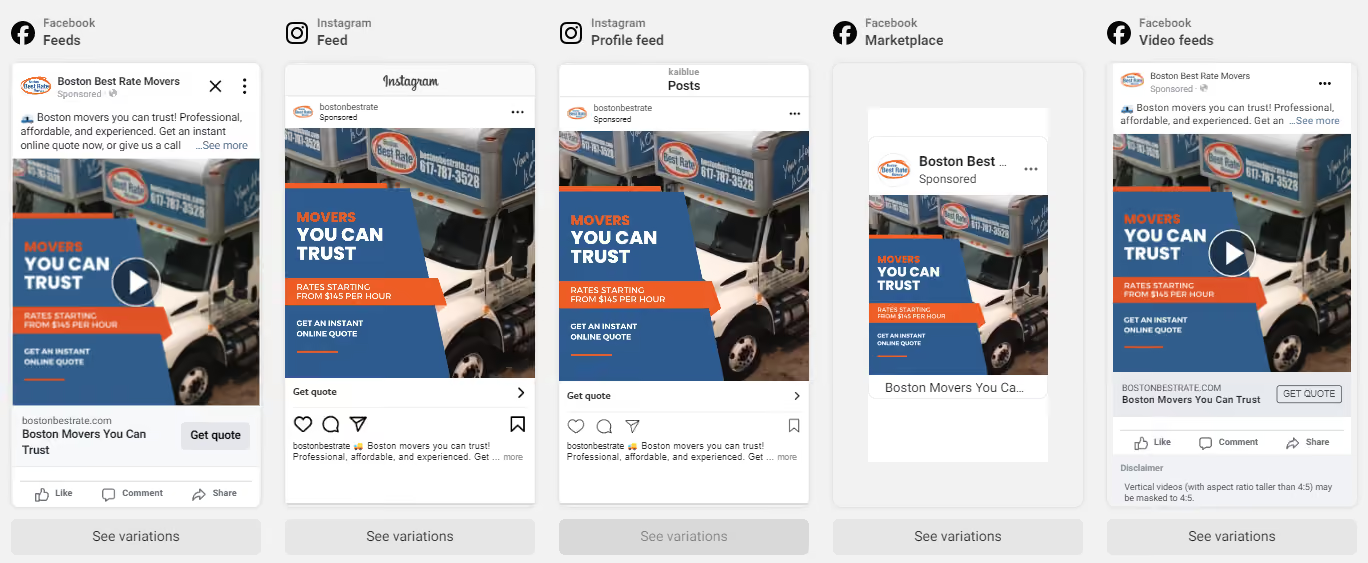
Why this approach works: People stop for content that feels like it was written for them specifically. Even implied personalization improves relevance, which the algorithm rewards.
Best for:
23. Capitalized keyword call-outs
While you can't set keywords in Facebook like you can in Google Ads, you can give the same feel by capitalizing important words that will stand out when users are scrolling.
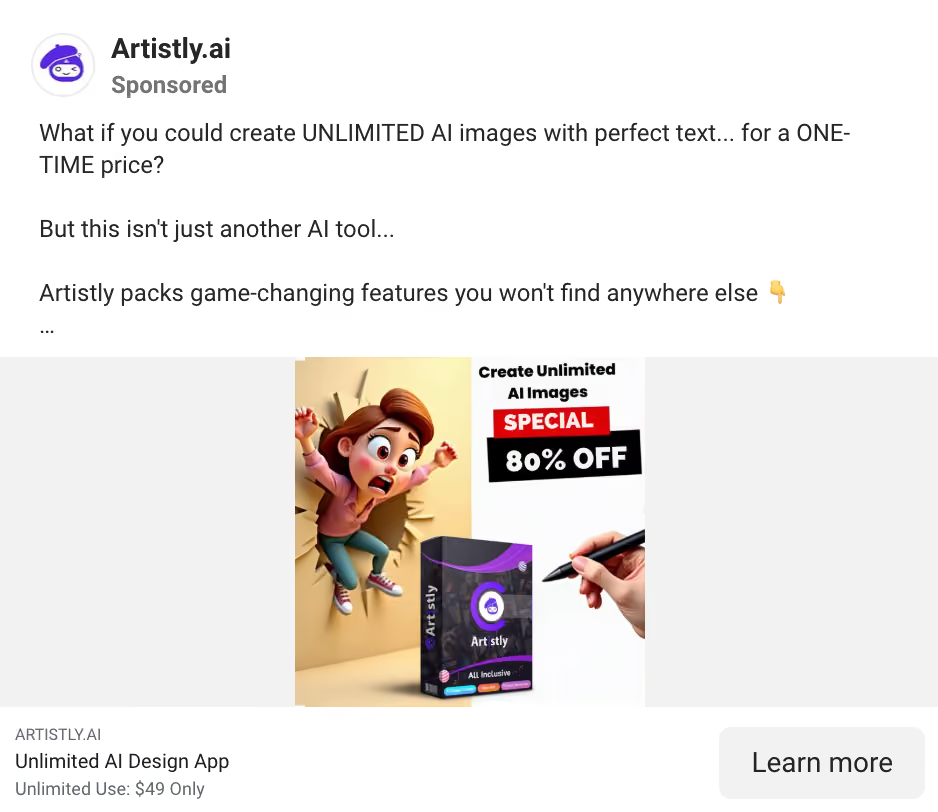
Why this approach works: Strategic capitalization breaks visual scanning. When used sparingly, it draws the eye directly to your most important claim.
Best for:
- TikTok
24. Rhetorical question
Channel a dramatic movie speech and use rhetorical questions to get potential customers thinking about value props in an organic way. These could take various forms, but one of our favorites is: “What makes [the product type] the best?”
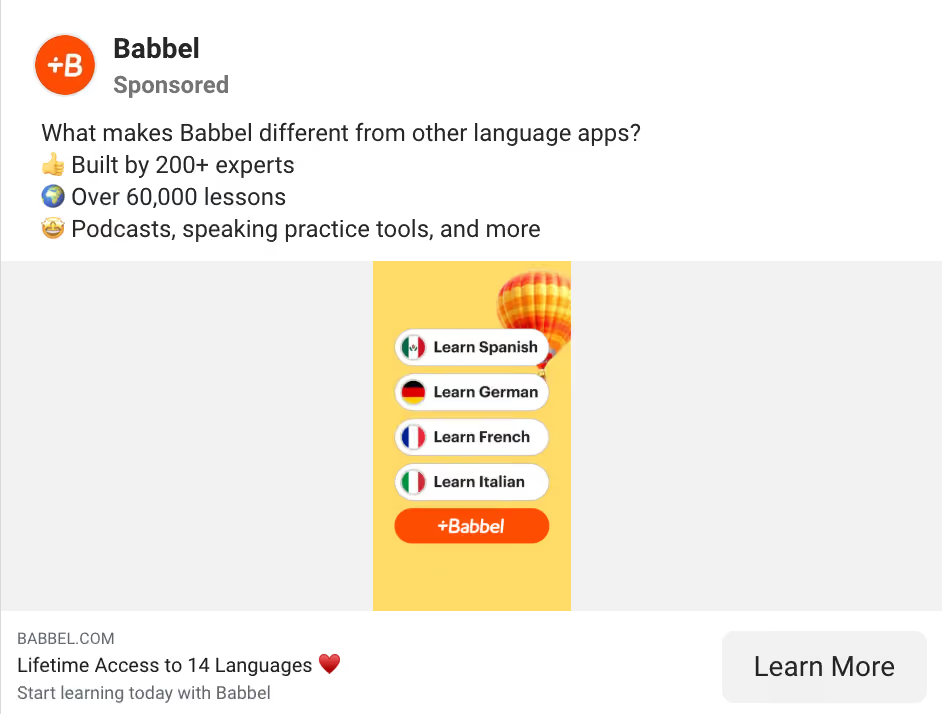
Why this approach works: Rhetorical questions invite analytical engagement. Instead of asking for an answer, they prime the reader to evaluate your value prop on your terms.
Best for:
- YouTube
Ready to put these templates to work?
There you have it—24 ad copy templates to try applying to your paid media strategy. Keep in mind that these are just a starting point. Every product, audience, platform, and offer has its own dynamics, so the copy that wins is the copy you’ve tested.
At Primer, we bring cross-vertical performance data and creative expertise to every account we work on, so you're not starting from scratch each time.
Want to see what this looks like in practice? Schedule a growth consultation with Primer to build your creative strategy.
.avif)
.avif)
.avif)
.avif)
.avif)
.avif)
.avif)


%2C%20Color%3DNegative.svg)
.svg)