
In this article
What marketer doesn’t like to increase the conversion rate on their ads? It’s what we all want, yet, one of the most important factors in closing the deal is often forgotten: the ad landing page.
While it might take more effort, creating an optimized ad landing page that’s consistent with your ad is certainly worth your while. In this guide, we'll explain why ad landing pages matter, share actionable optimization tips, and highlight real-world examples of what works (and what doesn't).
Need help improving landing page performance? Primer helps brands increase conversions through landing page testing and optimization. Contact us to learn more.
What is an ad landing page? And why it matters for conversion
Ad landing pages are where visitors land after clicking on an ad—and where they decide whether to take action. A great ad may earn the click, but the landing page is what ultimately turns interest into a purchase, lead, or sign-up. When the post-click experience feels confusing, irrelevant, or difficult to navigate, potential customers leave.
You can use your homepage, a product page, or even a blog post as this destination, but the best results typically come from creating a dedicated landing page. Why?
Think of your ad and landing page as two parts of the same conversation:
- The ad introduces an offer or problem.
- The landing page continues that conversation and provides the exact information visitors need to take the next step.
When advertisers send traffic to a generic homepage, visitors have to search for the offer they clicked on, navigate through unrelated content, or figure out what action to take. Every additional step creates friction.
Dedicated landing pages help eliminate that friction by providing a focused experience tailored to the audience, offer, and campaign. They create continuity between the ad and the conversion action, making it easier for visitors to move through the funnel.
Just as importantly, platforms like Google and Meta increasingly emphasize the post-click experience. Landing pages don't solely determine ad performance, but they play a significant role in turning clicks into meaningful business results.
6 ways to optimize landing pages for paid advertising campaigns
After creating a dedicated landing page for your ad campaign, you should optimize it for conversions. Here are six strategies that can help improve the post-click experience and turn more ad clicks into customers.
1. Match your landing page to the ad
One of the fastest ways to lose a potential customer is to create a disconnect between your ad and your landing page.
When someone clicks an ad, they have a specific expectation. They expect to see the same offer, messaging, product, or value proposition that convinced them to click in the first place. They also expect the landing page to answer the questions created by the ad and continue the story you started.
For example:
- A comparison ad should lead to a comparison-focused landing page.
- A quiz ad should continue the quiz experience.
- A promotional ad should prominently feature the advertised promotion.
Example: Sunbasket
Sunbasket's Meta ad promotes three key messages: it has been voted the “#1 Healthy Meal Kit,” features clean, organic ingredients, and offers $100 off across four boxes.

Source: Meta Ad Library
When you click on “Order now,” the resulting landing page reinforces the same promotional offer while continuing the healthy eating message with the headline "Eat Clean, Feel Great."
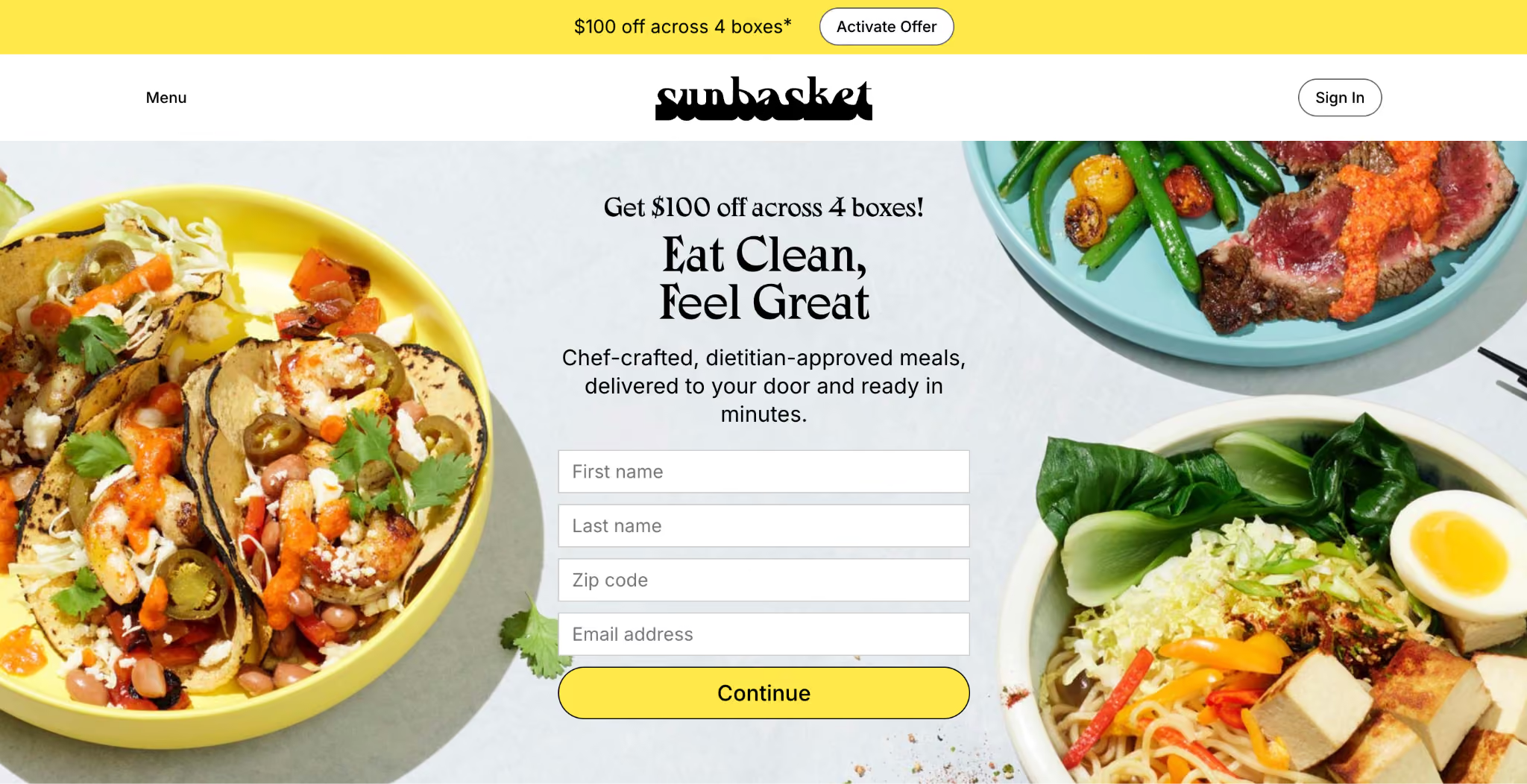
Rather than forcing you to search for the offer, the page picks up where the ad left off and guides them toward a single next step: claiming the discount. Visitors don't have to wonder whether they're in the right place. The transition from ad to landing page feels smooth.
Less effective example: Ffern
Ffern's ad creates interest around a fragrance experience and uses the CTA "Apply now."

After clicking, however, visitors are taken to a quiz without much context connecting it to the promise made in the ad.

The landing page introduces an unexpected interaction that may leave some users wondering what happened after they clicked.
How to improve message match
- Use the same offer on the ad and landing page.
- Maintain consistent visuals and branding.
- Repeat key messaging from the ad.
- Ensure the landing page immediately addresses the promise made in the ad.
- Answer the questions the ad creates.
2. Focus on a single conversion goal
Landing pages typically perform best when they make one decision easy.
The more choices visitors have, the more likely they are to become distracted or leave without converting. That's why many high-performing landing pages minimize navigation, reduce competing offers, and focus on a single call to action.
Example: Billie
In this ad, Billie promotes its Razor Starter Kit with a limited-time free travel case offer.

Source: Meta Ad Library
The landing page guides viewers toward a single next step, “Get Started.”
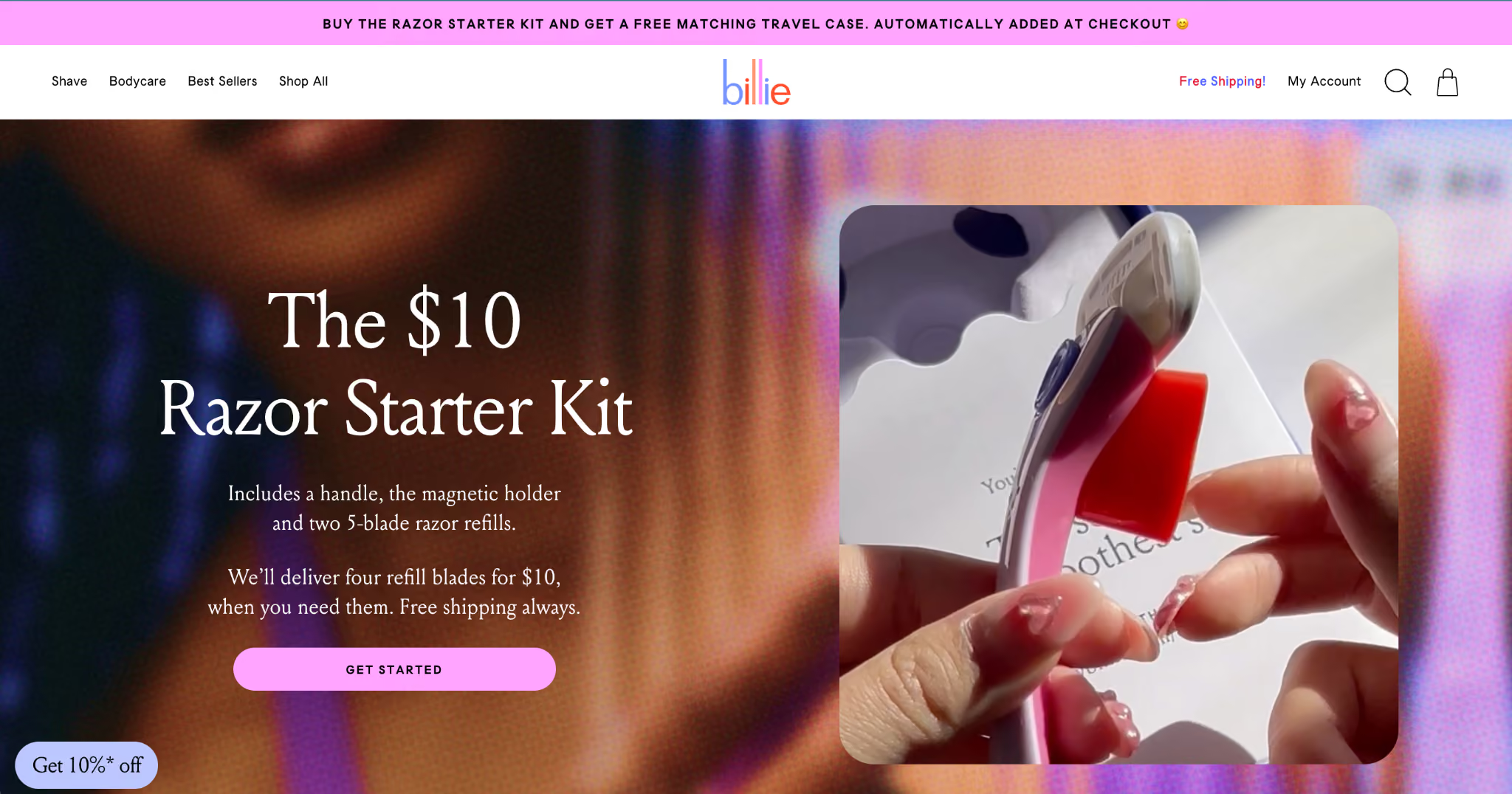
As visitors scroll, every section reinforces the same primary CTA. Whether they're learning about the razor, its magnetic holder, or what's included in the starter kit, the page consistently invites them to “Get Started,” which launches the guided product selection experience.
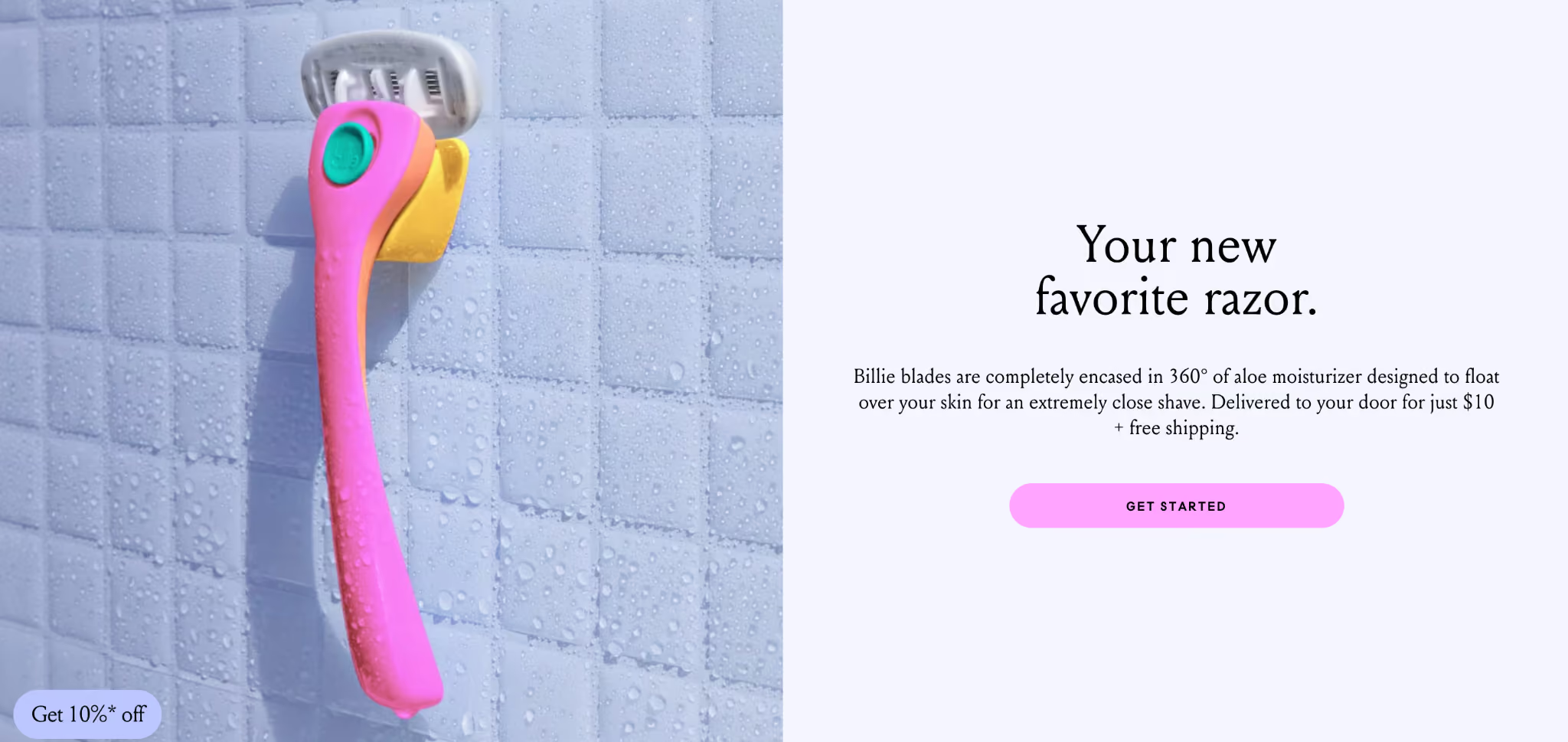
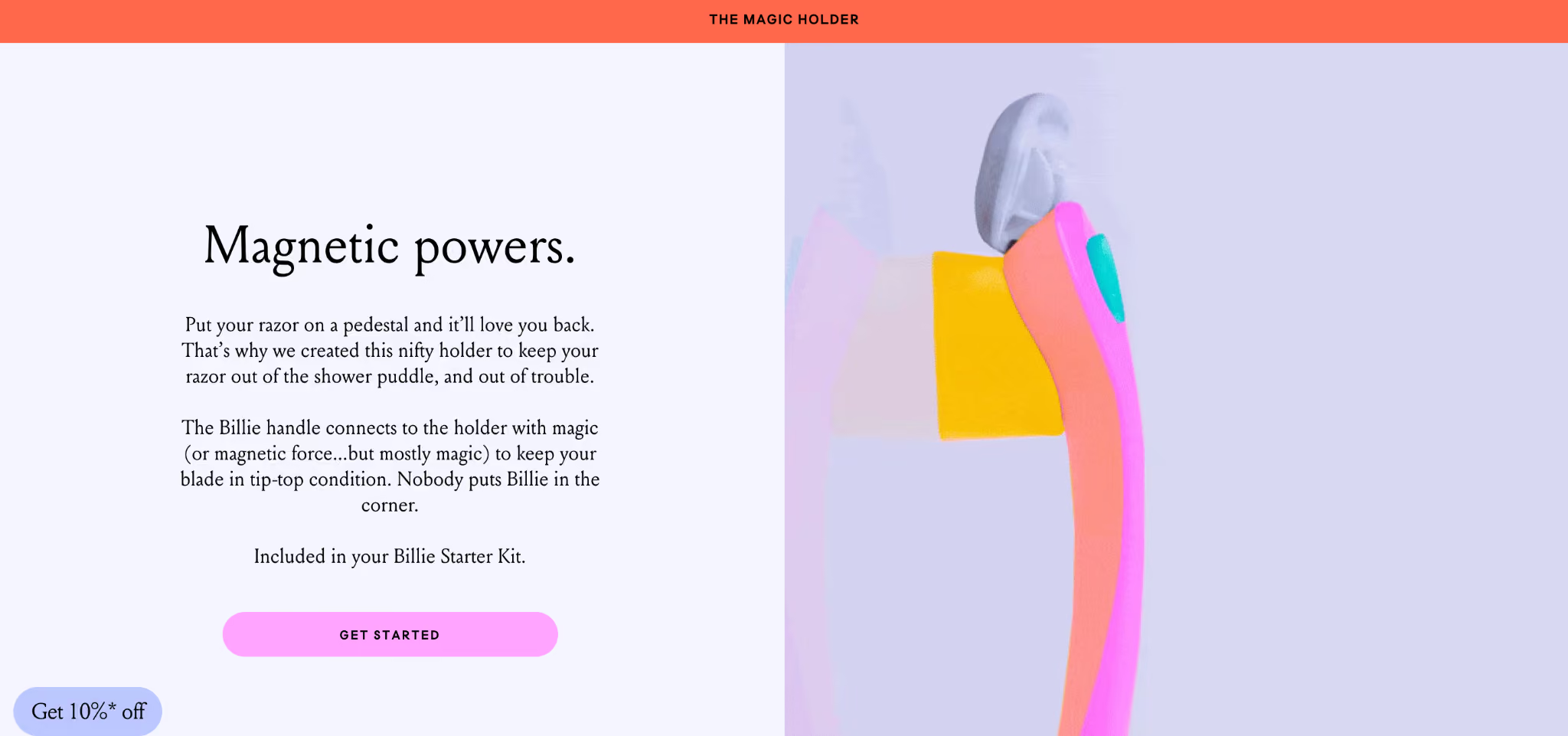
Rather than dividing attention between browsing products, reading reviews, or exploring categories, the landing page keeps you focused on one conversion path. This reduces decision fatigue and helps maintain momentum from the ad click through the buying journey.
Less effective example: Intuit Enterprise Suite
This ad from Intuit Enterprise Suite encourages accountants to sign up.
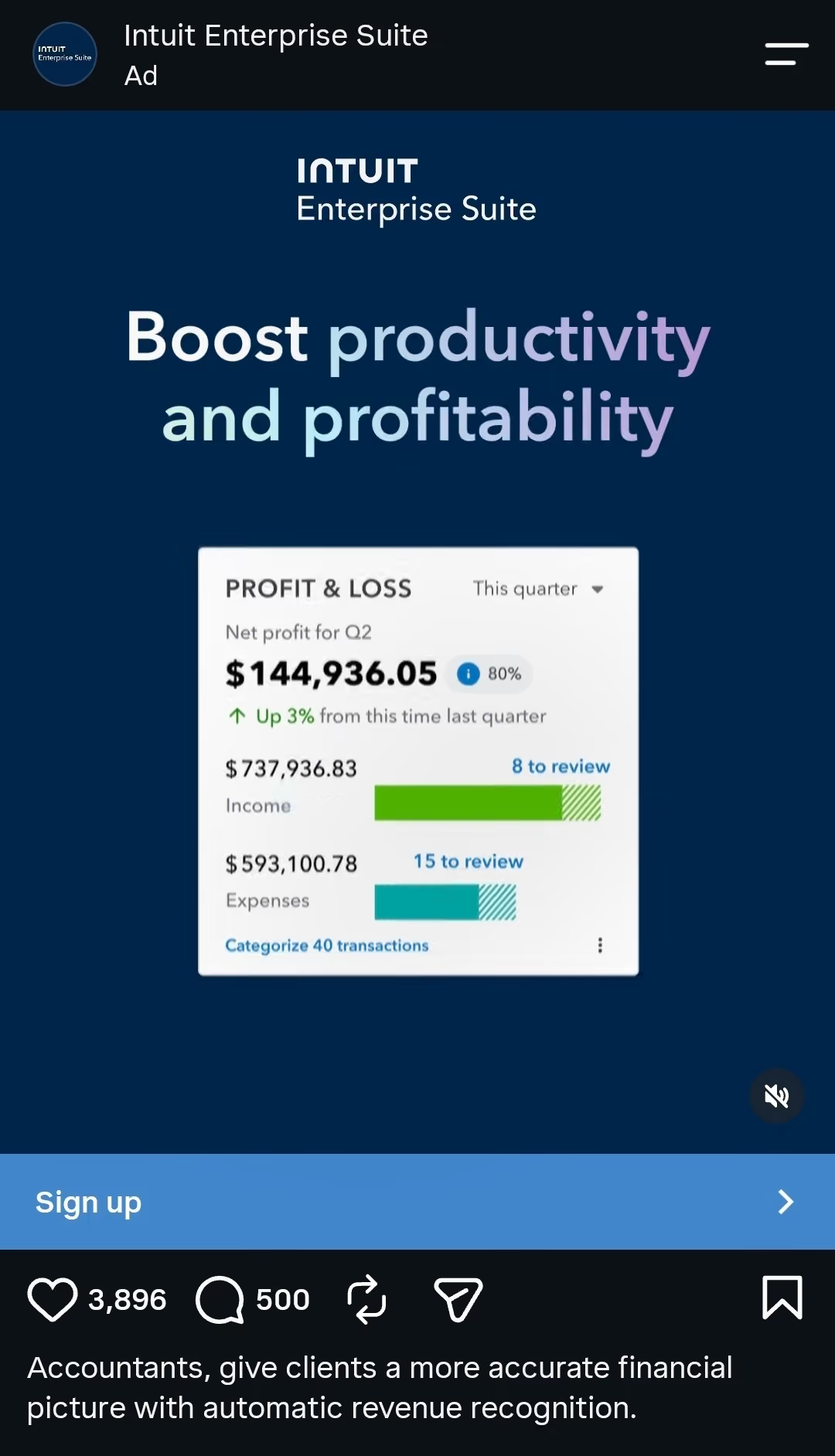
But when visitors go to the landing page, the hero suggests two different next steps: taking a product tour and requesting a demo. Scrolling further shows even more actions: exploring customer stories and downloading a study.
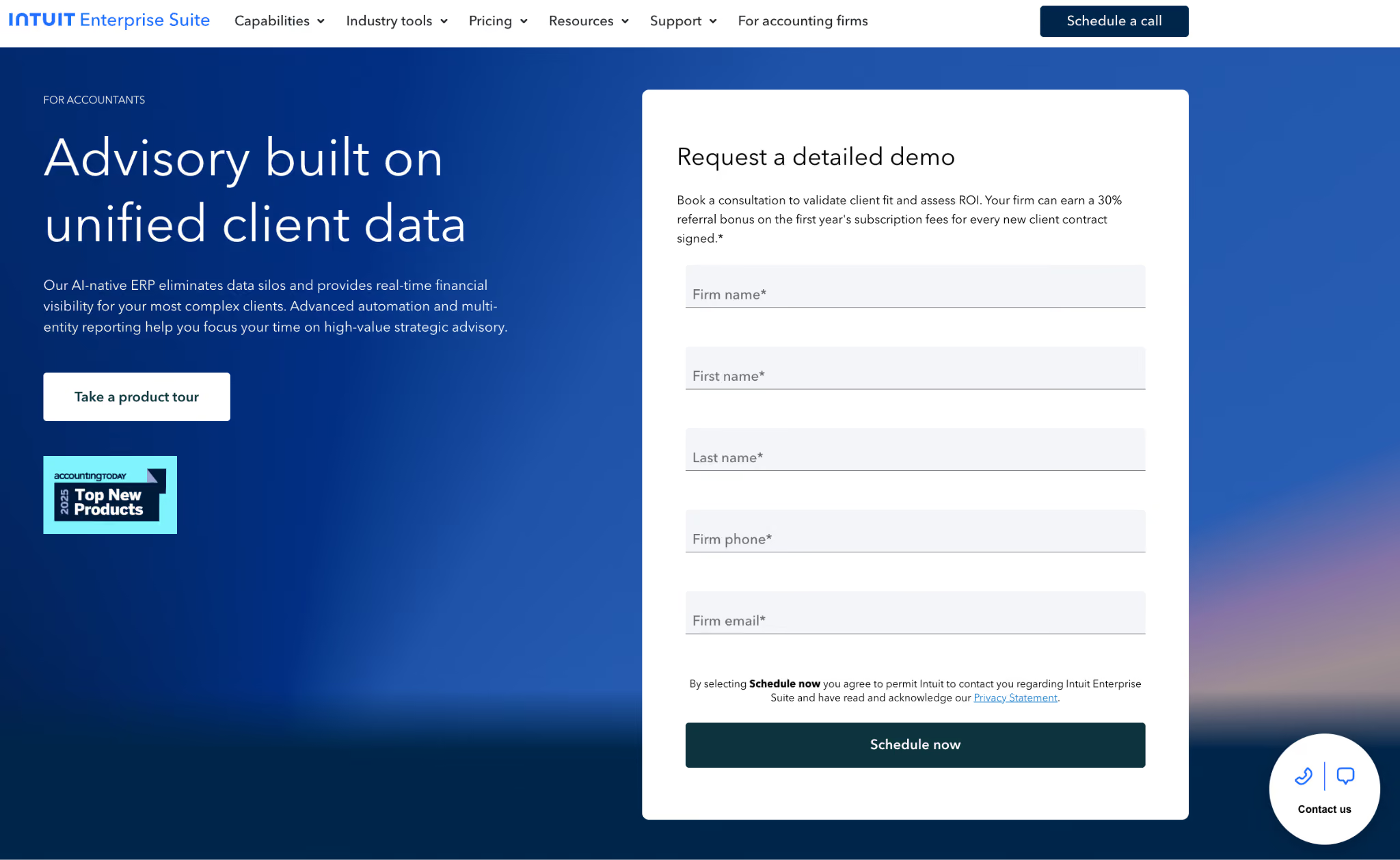
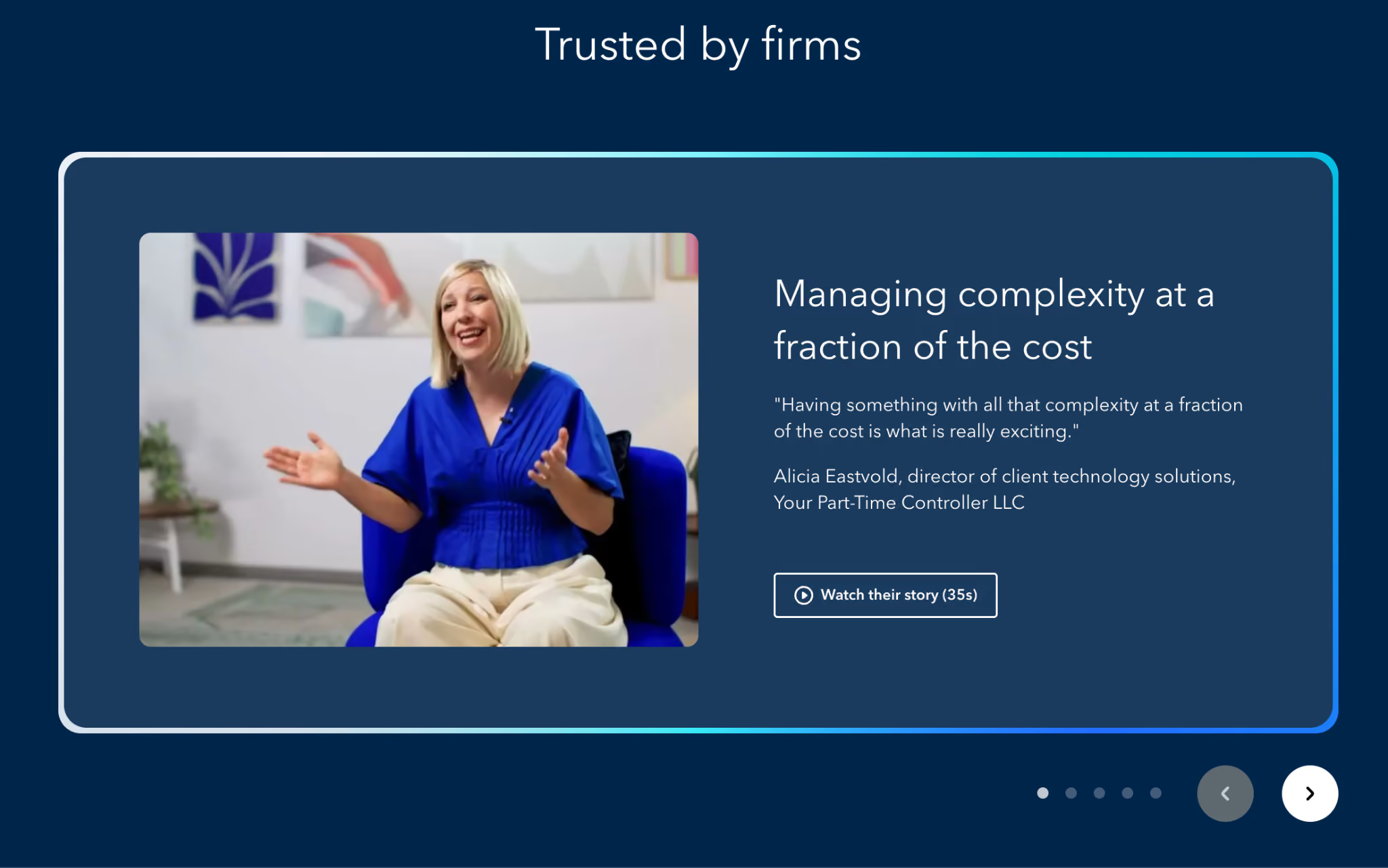
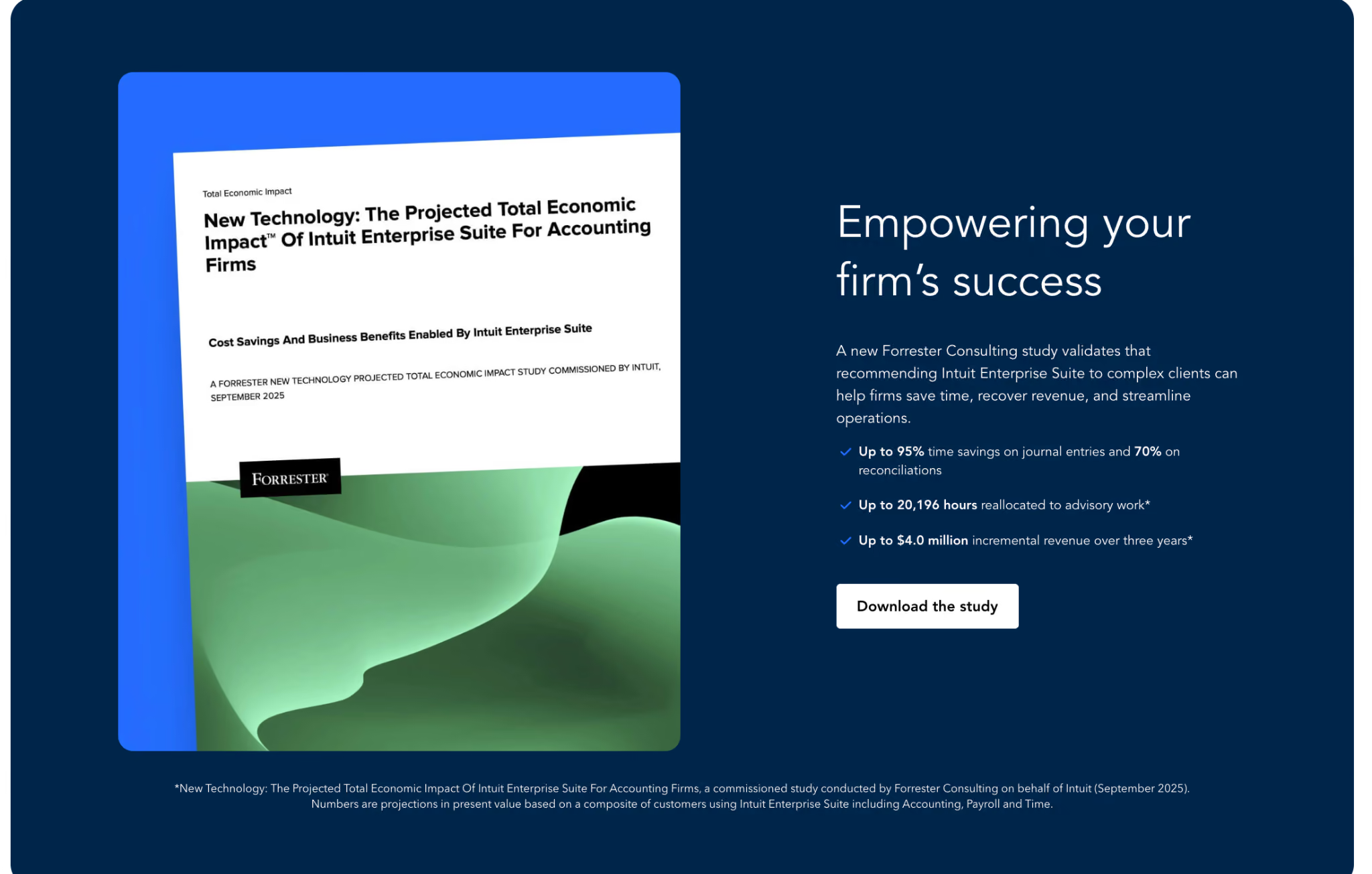
Each option may be valuable, but presenting multiple paths requires visitors to make additional decisions before taking action.
How to create a focused landing page
- Prioritize one primary CTA.
- Remove unnecessary navigation links.
- Limit competing offers.
- Make the next step obvious.
- Place CTA buttons throughout the page so visitors can act when they're ready.
3. Use audience-specific social proof
Trust plays a major role in conversion. 96% of consumers read online reviews before making a first-time purchase. But not all social proof is equally effective.
Generic statements like "Customers love us" are easy to overlook. Strong social proof helps visitors see why they should trust your brand and how other people have benefited from your product or service. It also reinforces relevance. People are more likely to trust reviews, testimonials, and user-generated content when they come from others who resemble them or share similar goals and challenges.
If you're targeting runners, showcase feedback from runners. If you're targeting new parents, feature testimonials from other parents. The closer the social proof aligns with the audience featured in the ad, the more persuasive it becomes.
Example: Pourri
Pourri's ad targets dog owners frustrated by lingering pet odors, leading with the message "House smell like wet dog? Not anymore!"
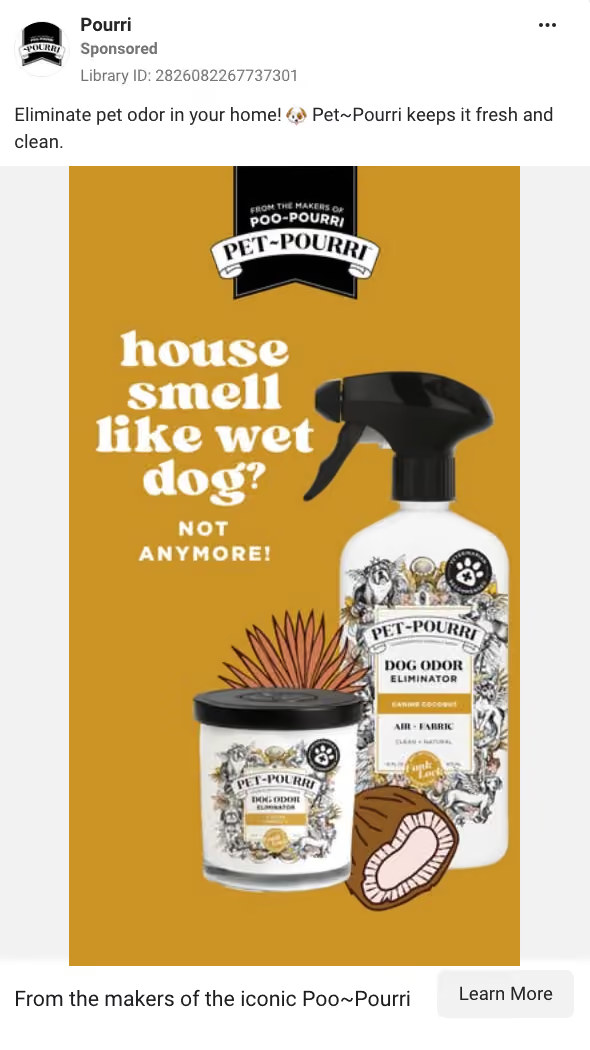
Source: Meta Ad Library
Its ad landing page follows up on that promise with customer reviews from other dog owners describing how the product eliminated dog odors in their homes. Instead of showing generic customer ratings, the page features testimonials, photos of customers' dogs, and five-star reviews that validate the problem the ad promised to solve.
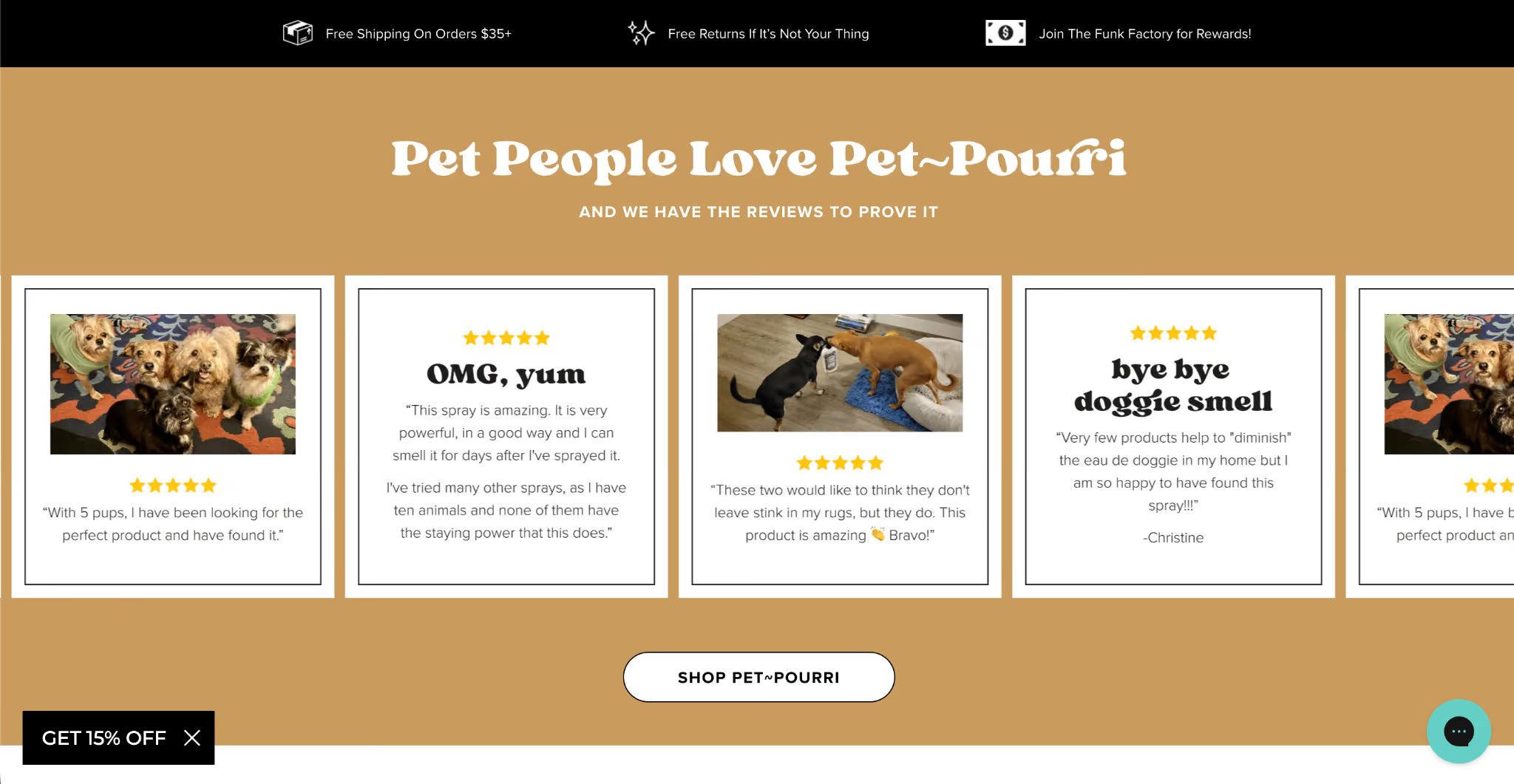
This makes the social proof feel more relevant because it comes from people with the same problem as the visitor, helping build confidence that the product will work for them.
Less effective example: Attorney Big Al
This ad for Attorney Big Al claims the firm is “California’s trusted injury lawyer.”
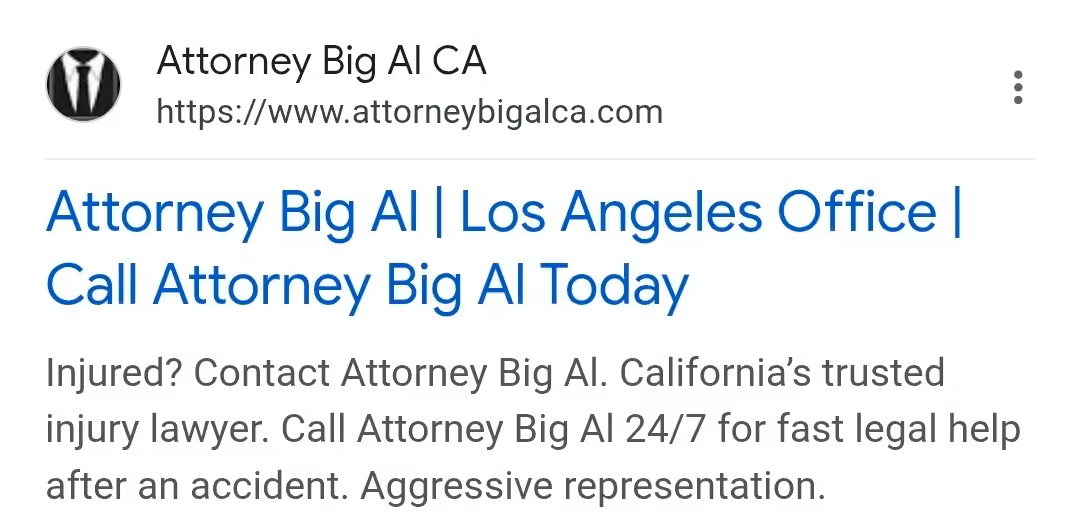
But the connected homepage only vaguely mentions being “highly rated.” (It’s also worth pointing out that this ad directs users to the company’s homepage rather than a dedicated ad landing page—another area where this campaign could be better.)

This statement doesn’t provide the specificity that helps visitors evaluate credibility. Review counts, ratings, customer outcomes, and detailed testimonials would make the social proof more persuasive.
How to strengthen social proof
- Include review counts and ratings.
- Feature customer outcomes when possible.
- Use testimonials that address specific pain points.
- Match social proof to the audience featured in the ad.
- Incorporate user-generated content where appropriate.
4. Design for mobile-first experiences
Over 50% of global website traffic comes from mobile devices. For advertisers, this means your landing page should be designed with mobile users in mind first, not adapted as an afterthought.
Mobile-first design goes beyond responsive layouts. The best mobile landing pages make it easy to understand the offer, navigate the page, and complete the desired action with minimal effort.
Example: Deel
This ad landing page from Deel makes its value proposition clear and presents a short demo request form.
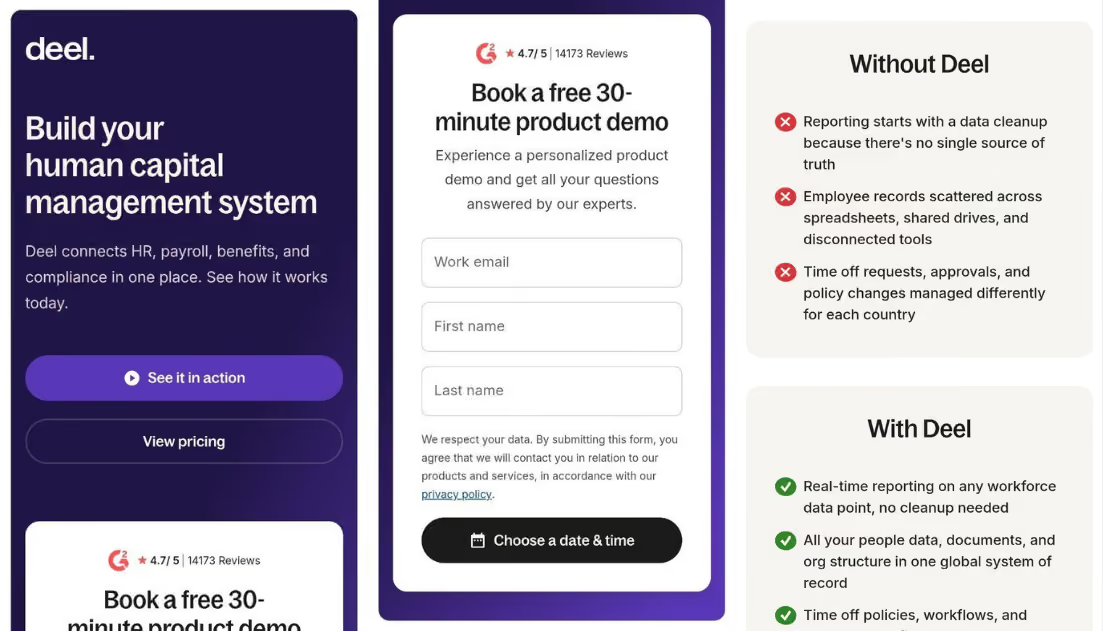
The visual hierarchy, generous spacing, and a streamlined layout make the page easy to navigate on a smartphone.
Less effective example: Yamaha Outboards
Yamaha Outboards displays this ad on Instagram, a mobile-first platform.
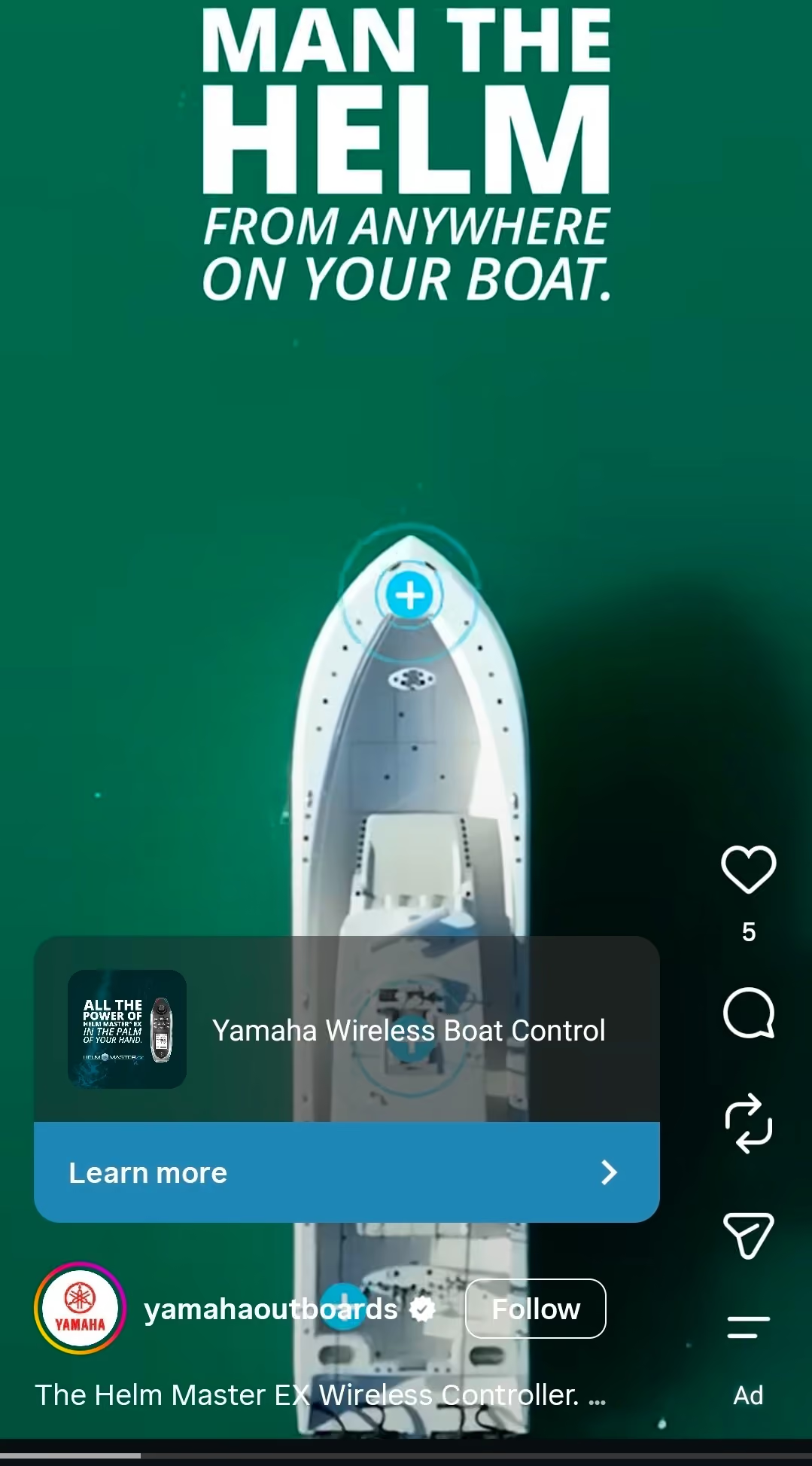
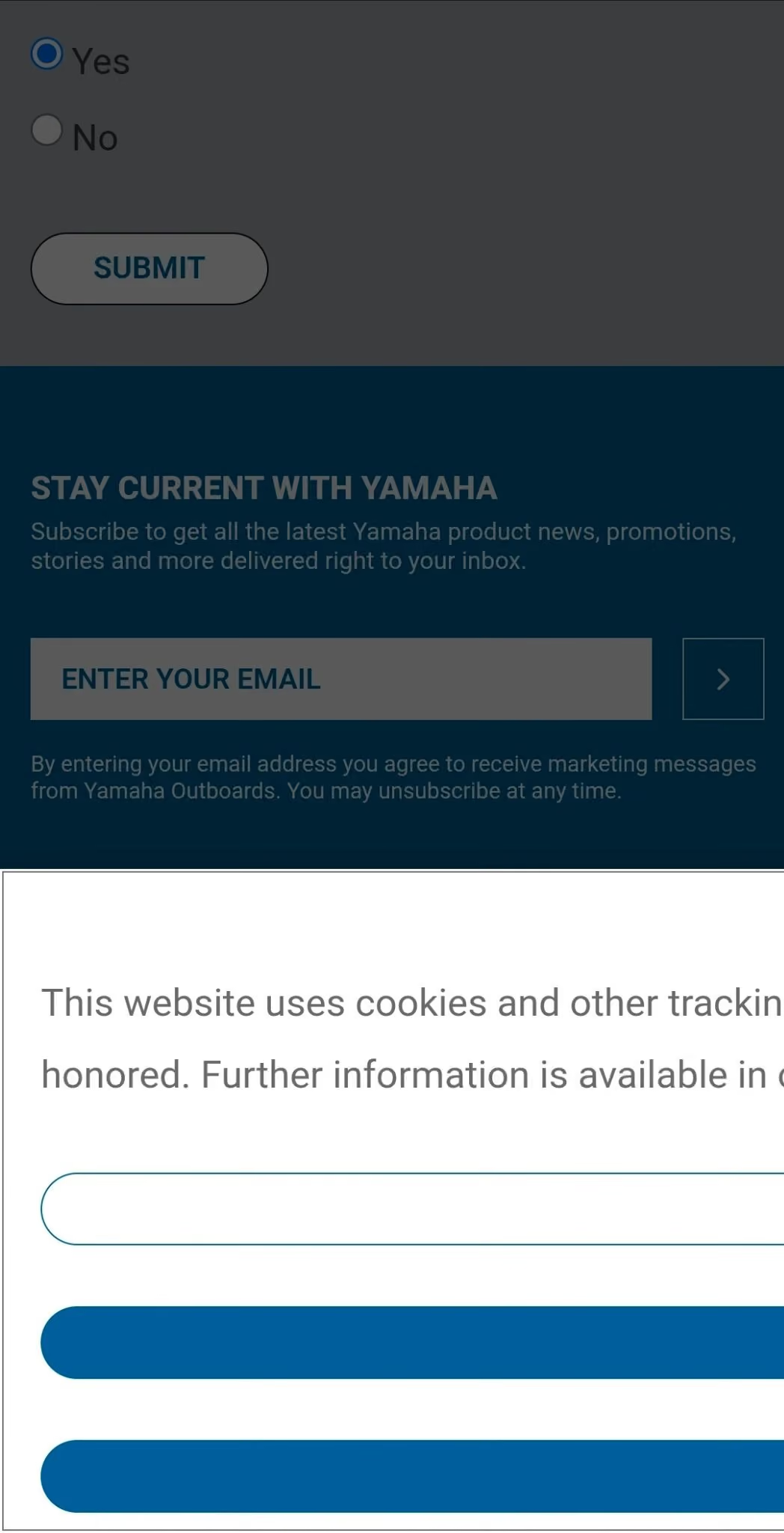
But the connected ad landing page is hard to navigate on a smartphone. For instance, it’s difficult to see and accept or reject the cookies policy, even before you scroll.
It also requires visitors to scroll through multiple sections before reaching the quote request form. Once they arrive, they're asked to complete several fields and dropdown menus—not easy to do on a smaller screen.
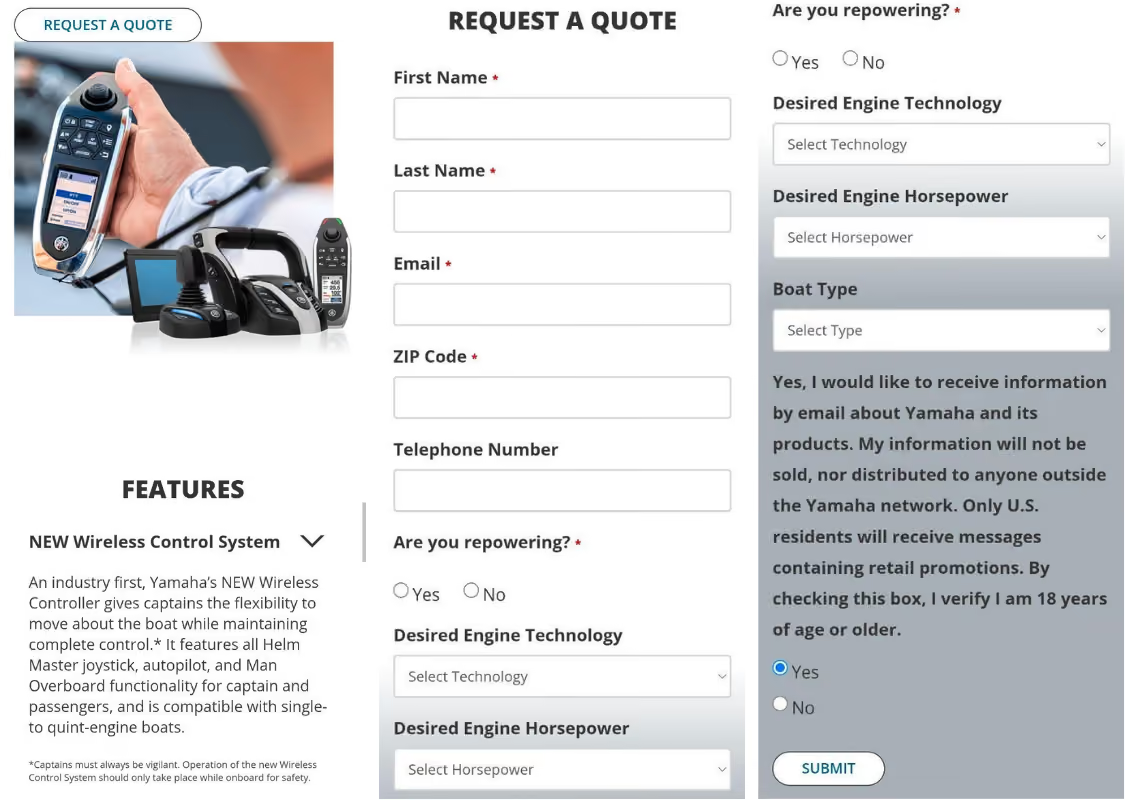
The page contains useful information, but the path to conversion is longer and more demanding than it needs to be for mobile users.
How to optimize for mobile
- Prioritize important information above the fold.
- Keep forms as short as possible.
- Use large, tap-friendly buttons.
- Make pages easy to scan.
- Reduce unnecessary scrolling.
5. Improve page speed and landing page experience
A gorgeous landing page with smart copy can't convert visitors if it doesn't load quickly. In fact, Google reports seeing a one-second delay in mobile load time impact mobile conversions by up to 20% in retail.
But speed isn't the only factor that matters. When someone clicks an ad, the landing page should be easy to navigate, quick to understand, and focused on helping visitors take the next step. Simplicity and clarity reduce friction, making it easier to turn clicks into customers.
Advertising platforms take the landing page experience into account. Meta distinguishes between link clicks and landing page views because not every click results in a successfully loaded page. Its landing page view optimization aims to show ads to people likely to click and fully load the destination page.
Google similarly evaluates landing page experience as part of overall ad quality, including its role in Quality Score. Across both platforms, post-click factors like relevance, usability, and overall experience can influence ad delivery and campaign outcomes. While improving landing pages won't automatically lower costs, optimizing the post-click experience can improve traffic quality, help convert more visitors into customers, and contribute to more efficient campaign performance.
How to improve landing page performance
- Compress large image files.
- Minimize unnecessary scripts and plugins.
- Prioritize mobile page speed.
- Reduce layout shifts.
- Regularly test page performance.
- Monitor metrics such as bounce rate, landing page views, and conversion rate to identify potential issues.
6. Test landing pages like you test ads
Many advertisers regularly test creative, audiences, and targeting, but far fewer invest the same energy into testing landing pages—which is a missed opportunity.
Landing page testing can uncover conversion improvements that continue delivering results even after individual ads fatigue.
One example comes from Primer's work with Madison Reed. After testing dozens of mobile-first landing pages, we identified a "how it works" landing page that significantly outperformed alternatives.
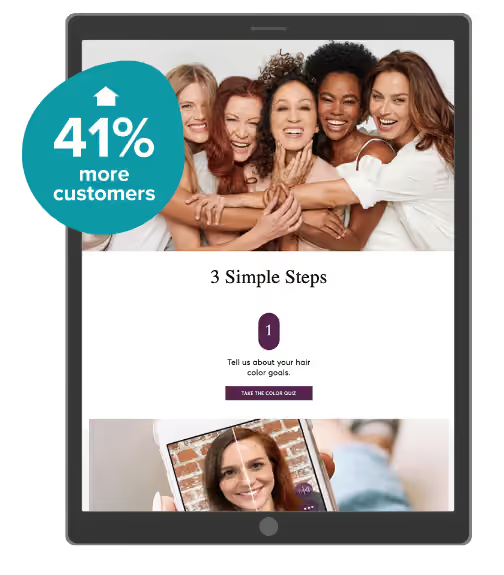
The result was a 54% increase in click-to-purchase conversions and a 41% increase in customer acquisition when paired with creative wins.
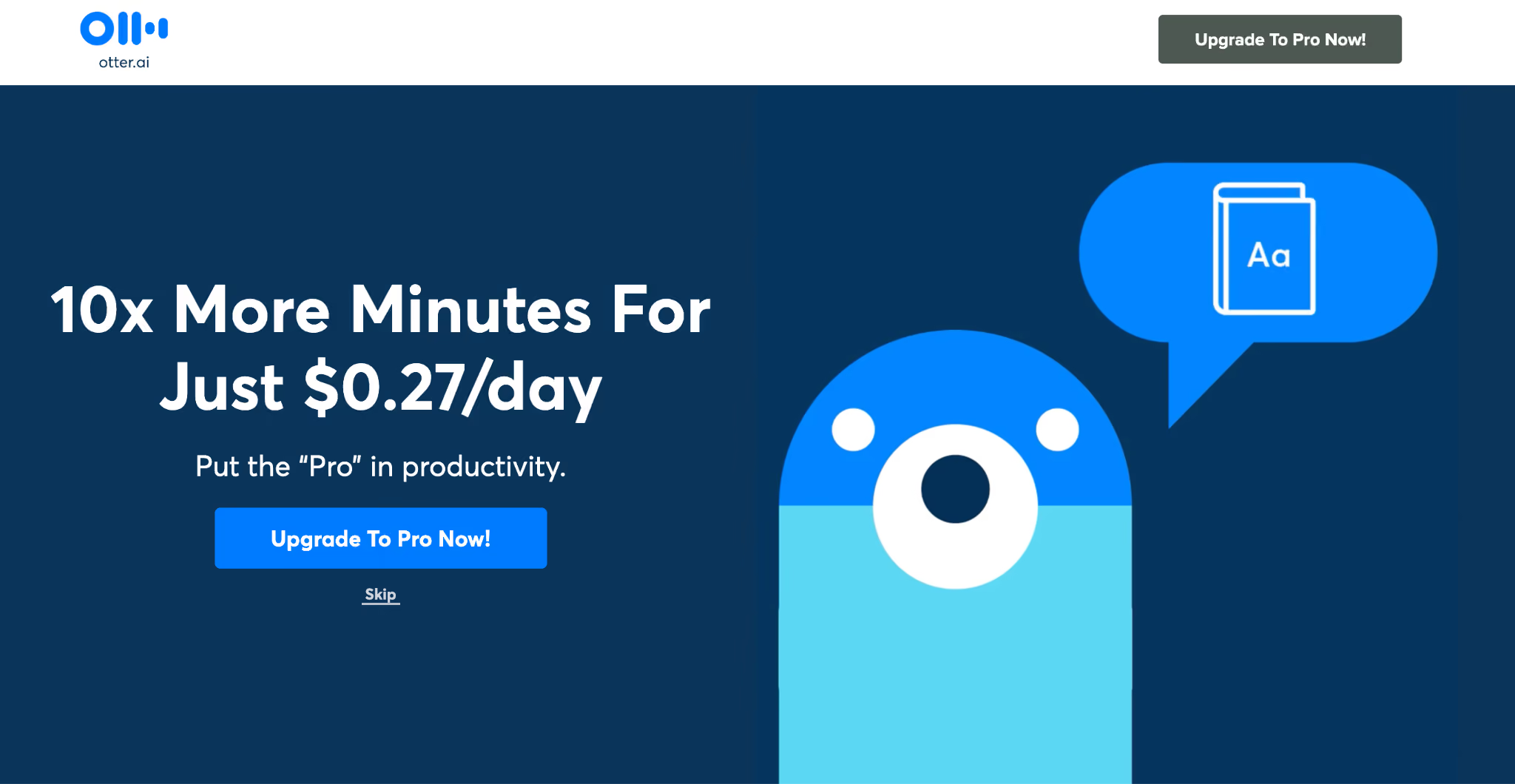
We saw similar success with Otter.ai. A quiz-style landing page increased conversion rate by 65%, while a dedicated landing page for retargeting audiences reduced retargeting CPA by 43%.
The takeaway? Don't stop testing once someone clicks. Just as ad creative performance changes over time, landing pages should be continuously tested and refined to keep conversion rates moving in the right direction.
What to test
- Headlines
- Offers
- CTA placement
- Social proof
- Page layouts
- Form length
- Visual hierarchy
Landing page wins tend to last longer than creative wins because they improve the underlying user experience instead of relying on a specific ad concept.
Turn more ad clicks into customers
The most effective ad landing pages create continuity between the ad creative and the conversion experience by removing distractions, building trust, prioritizing mobile users, and continuously evolving through testing.
By improving the post-click experience, you can turn more clicks into customers and maximize the impact of your advertising campaigns.
Looking for landing pages that convert? Primer helps brands accelerate growth through conversion-focused creative and landing page testing and optimization. Reach out to see how we can help improve your campaign performance.
.avif)
.avif)
.avif)
.avif)
.avif)
.avif)
.avif)


%2C%20Color%3DNegative.svg)
.svg)