
In this article
In a world where attention is scarce and options are endless, getting people to stop and actually watch your ad is harder than ever. What used to grab attention no longer works the same way—which is why capturing interest from the very first second has become one of the biggest creative challenges in paid social.
That's where visual hooks come in. By using movement, familiar interfaces, unexpected visuals, or creative editing techniques, they give your ad the best chance of earning those first few seconds of attention.
Below, we’re sharing 15 visual hooks that continue to perform across paid social, from emerging trends to proven creative techniques you can start testing today.
Need help producing ad creative that captures attention? Primer helps brands develop and test high-performing creative that drives measurable growth. Get in touch to learn how we can help.
What is a visual hook?
An ad hook is any element that captures attention and encourages someone to keep watching. A visual hook is one type of ad hook that does it through what people see first.
It could be a bold image, an unexpected camera angle, a satisfying visual, or a detail that's impossible to ignore. Before viewers hear your message or read your copy, they're already deciding whether your creative is worth their attention.
Great visual hooks stop the scroll by creating curiosity, establishing context, and encouraging people to keep watching long enough to hear your story.
1. ChatGPT
Not long ago, everyone turned to Google to find answers. But today, ChatGPT has become one of the first places people go when they're curious, searching or looking for advice. That shift in behavior has opened up a new creative opportunity—using the ChatGPT interface itself as a visual hook.
Why it works
In one of our recent videos, we used a ChatGPT-style search to introduce the ad, and the results were clear: instant recognition, curiosity, and stronger watch times. Because so many people already use ChatGPT, the familiar interface catches attention and encourages viewers to keep watching.
How to use it
Use a ChatGPT-style conversation to introduce a common question your audience is asking, then reveal your product or service as part of the answer.
2. Typing effect
Another visual hook that's performing consistently well is the typing effect.
There are many ways to bring this visual to life, but let's start with one of the simplest: just typing. Whether we can see the searcher or it's just typing on the screen, this hook is incredibly effective.
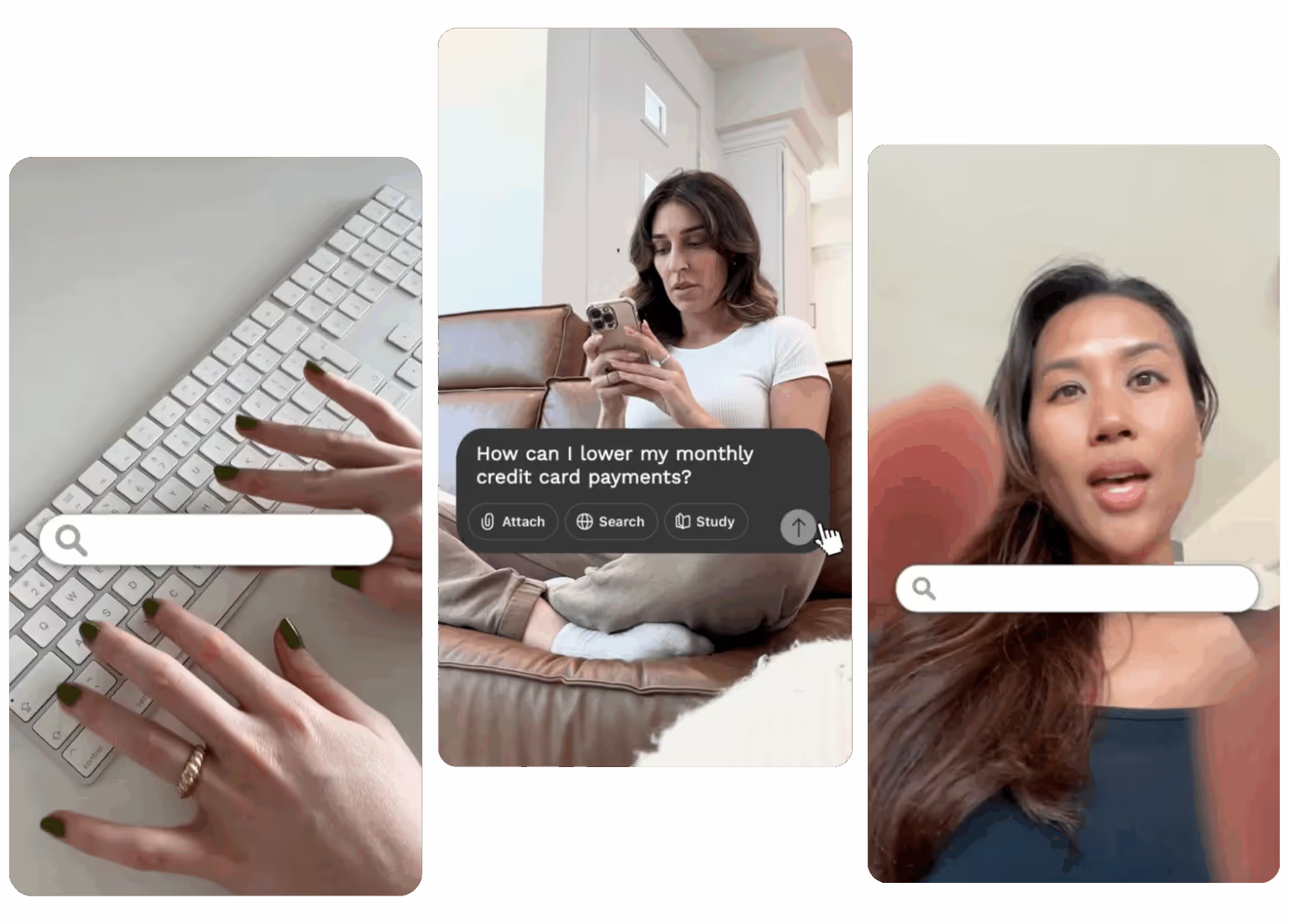
Why it works
The key isn't only how it looks—it's also how it sounds. Adding the subtle sound of keystrokes makes a huge difference. It adds rhythm, realism and even a touch of ASMR that draws people in and keeps them watching
How to use it
Pair the typing effect with another visual hook, such as a ChatGPT-style conversation or a search bar. Sometimes, just the act of typing is enough to grab attention.
In other cases, you can take it further by showing someone physically typing on a screen, making it feel natural, familiar and instantly relatable, almost like a native action your audience does every day.
3. Incoming call
The incoming call visual hook is one of the most engaging and instantly recognizable visual trends right now. It mimics the look of a phone call or FaceTime screen, complete with the caller ID, ringtone sound, and "slide to answer" cue.
Why it works
The moment it appears, people's attention locks in. It's familiar, personal, and impossible not to glance at because everyone instinctively checks when a phone rings.
It also feels native to social platforms. That "social camouflage" makes users pause for a split second longer—and sometimes that's all you need to earn attention.
Look what we did for WigDealer. As a haircare brand that offers high-quality wigs, they always stay up to date with fashion and trends. That’s exactly why this hook is so effective for them.
How to use it
Whether the call comes from a person, a brand or even a concept like "Glam Is Calling" or "Your Glow Is Calling," the goal is to create curiosity that encourages viewers to keep watching.
4. Fake podcast
The fake podcast hook has emerged as a powerful visual trend.
This hook presents your creative as though it were a podcast episode, using familiar elements like a microphone, podcast graphics, or a studio setting. Viewers instantly recognize the format, which creates a sense of credibility and authenticity.
Why it works
There are over 584 million podcast listeners worldwide. Audiences already associate podcasts with real conversations and valuable insights. By mirroring that look and feel, your ad naturally fits into a format people already trust and pay attention to.
As an example, check out what we did for one of our partners in the finance industry.
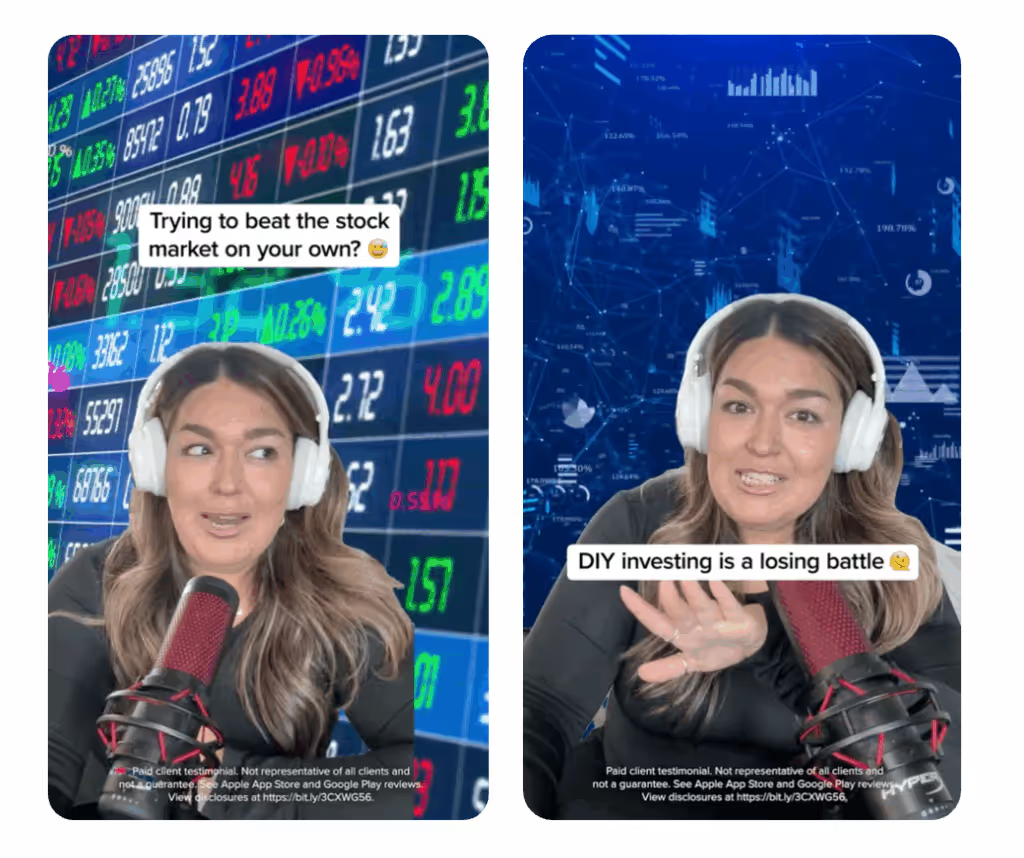
For them, we played a little bit with some highly attractive visuals for those in the fintech space. Plus, the UGC creator was right in the podcast mode. These two elements combined created a thumb-stopping hook that’s impossible to ignore.
For them, we played a little bit with some highly attractive visuals for those in the fintech space. Plus, the UGC creator was fully in podcast mode. These two elements combined created a thumb-stopping hook that’s impossible to ignore.
How to use it
This hook works especially well for educational brands, fintech, software, and other products that benefit from explanation. Pair the format with an engaging creator and strong visuals to create a thumb-stopping introduction.
5. Mirror selfie
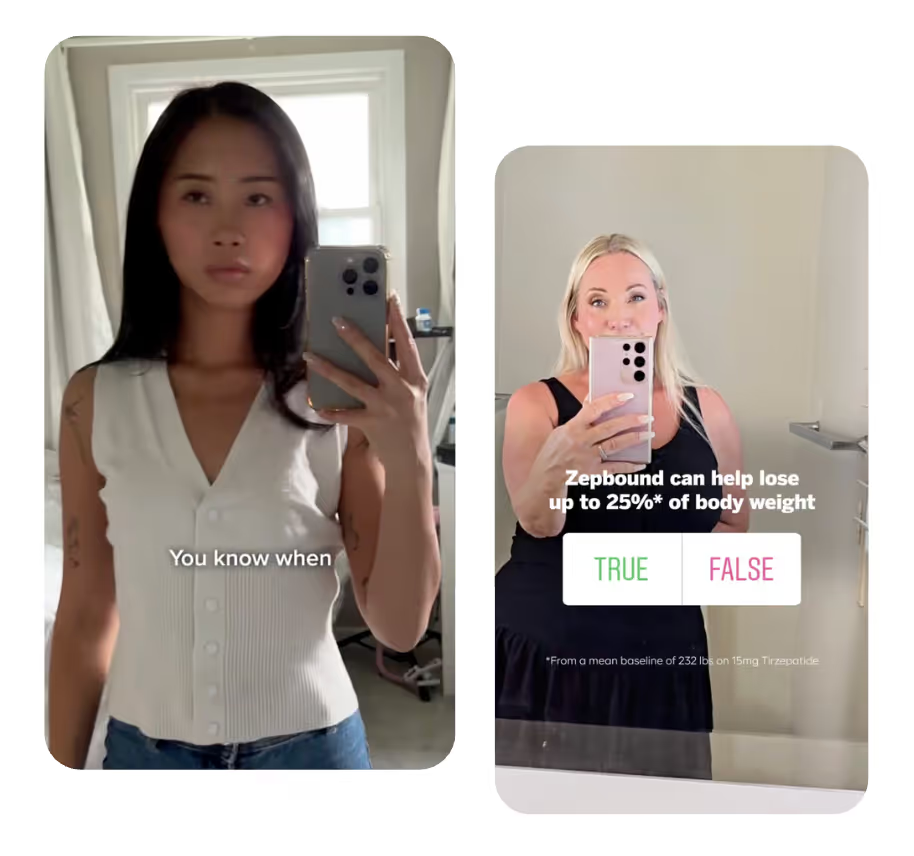
The mirror selfie hook is one of those formats that feels effortless but performs surprisingly well. It simply shows a creator filming themselves through a mirror while showcasing a product, outfit or scene in the reflection.
Why it works
It works because it feels real and relatable. Viewers are used to seeing mirror selfies in their daily feeds, so the creative doesn't immediately feel like an ad. That familiarity builds trust and creates a sense of authenticity.
From a creative standpoint, it's also a smart production choice. One setup gives you two perspectives—the creator and the reflection—adding depth without requiring an elaborate shoot.
How to use it
This hook is ideal for TikTok and Instagram, especially for beauty, fashion, fitness and lifestyle brands. Keep the footage natural so it feels like creator content, not a polished advertisement.
6. Green screen
Another visual hook that continues to dominate both organic and paid content is the green screen effect.
If you've spent any time on TikTok or Instagram lately, you've probably seen it. Creators or brand spokespeople speak directly to the camera while an image, video, or screenshot appears behind them. It's simple, instantly recognizable, and incredibly effective for storytelling.
Why it works
From a performance perspective, green screens work because they feel authentic. They mimic the spontaneous, "recorded on my phone" style of content that audiences already trust and engage with. They also make it easy to react to testimonials, headlines, social posts, or product footage without needing a full production setup.
How to use it
One of the biggest advantages of this hook is its flexibility. You can turn almost any piece of content into a backdrop for your message, making it ideal for reactive campaigns and quick creative testing.
This hook is especially effective when you're not able to film the product or service yourself.
7. Search bar
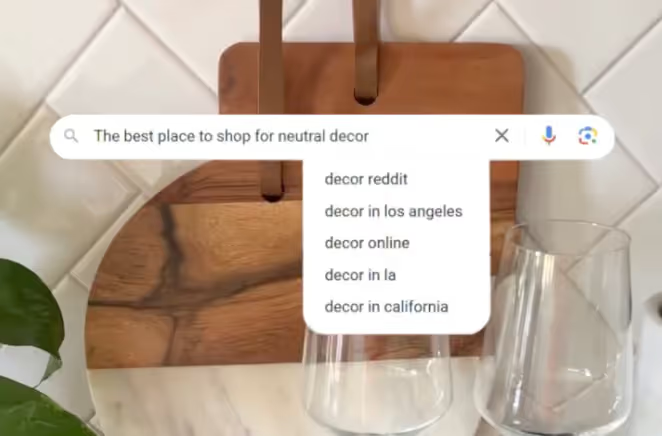
If you want to tap into instant curiosity, the search bar hook is a great place to start.
This hook works by showing a search bar with a common problem or question, like "Best supplements for energy?" or "How to get rid of acne fast?" before revealing your product as the answer. It's a simple but effective way to position your brand as the solution people are already looking for.
Why it works
It mirrors how people naturally search for information. When viewers recognize a question they've asked themselves, they're more likely to stop, watch, and engage with the rest of the ad.
How to use it
Research the questions your audience is already asking. Google Search, Reddit, Quora, and even TikTok Search can all help uncover relevant topics and language that make this hook feel more authentic.
8. Chat conversation
People are curious. When they see a conversation happening on screen, they will most likely keep reading just to find out what's being discussed.
That's what makes the chat conversation hook so effective. By mimicking a text message exchange, your ad feels personal, relatable, and native to the platform.
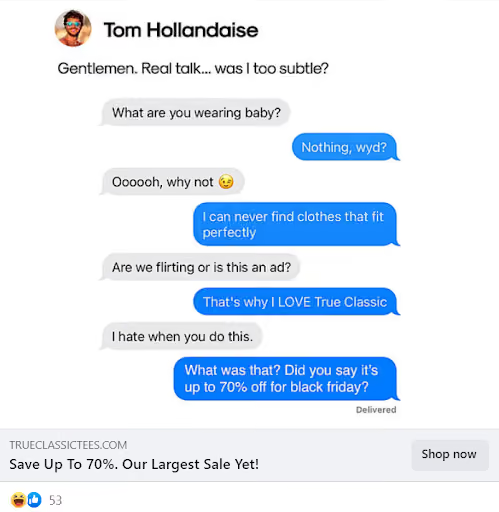
This ad from True Classic features a text conversation that humorously pokes fun at its promotional context. (Source: Outbrain)
Why it works
Text conversations feel familiar because they're part of everyday life. Instead of looking like an ad, they resemble a conversation between friends, lowering resistance and encouraging viewers to keep reading.
How to use it
Here are three simple steps to make it work:
- Create a simulated chat: mimic an iOS or Android interface with text messages. We recommend checking on demographics to see which device is more used in your target audience.
- Use simple, direct language: keep it casual and relatable to your target audience.
- Add humor or personality: make it feel like a fun, informal conversation (or even throw in emojis for extra relatability!).
This hook works great for service-based businesses, DTC brands, and tech products, where you want to make the audience feel like they’re having an insider conversation or learning about something exciting in an easy, relatable way.
9. Comment box
Using a comment box, like from TikTok or Instagram, is one of the most natural ways to make your ad blend seamlessly into social media feeds.
This hook recreates the look and feel of a real social media comment, making the creative feel more like organic content than an advertisement.
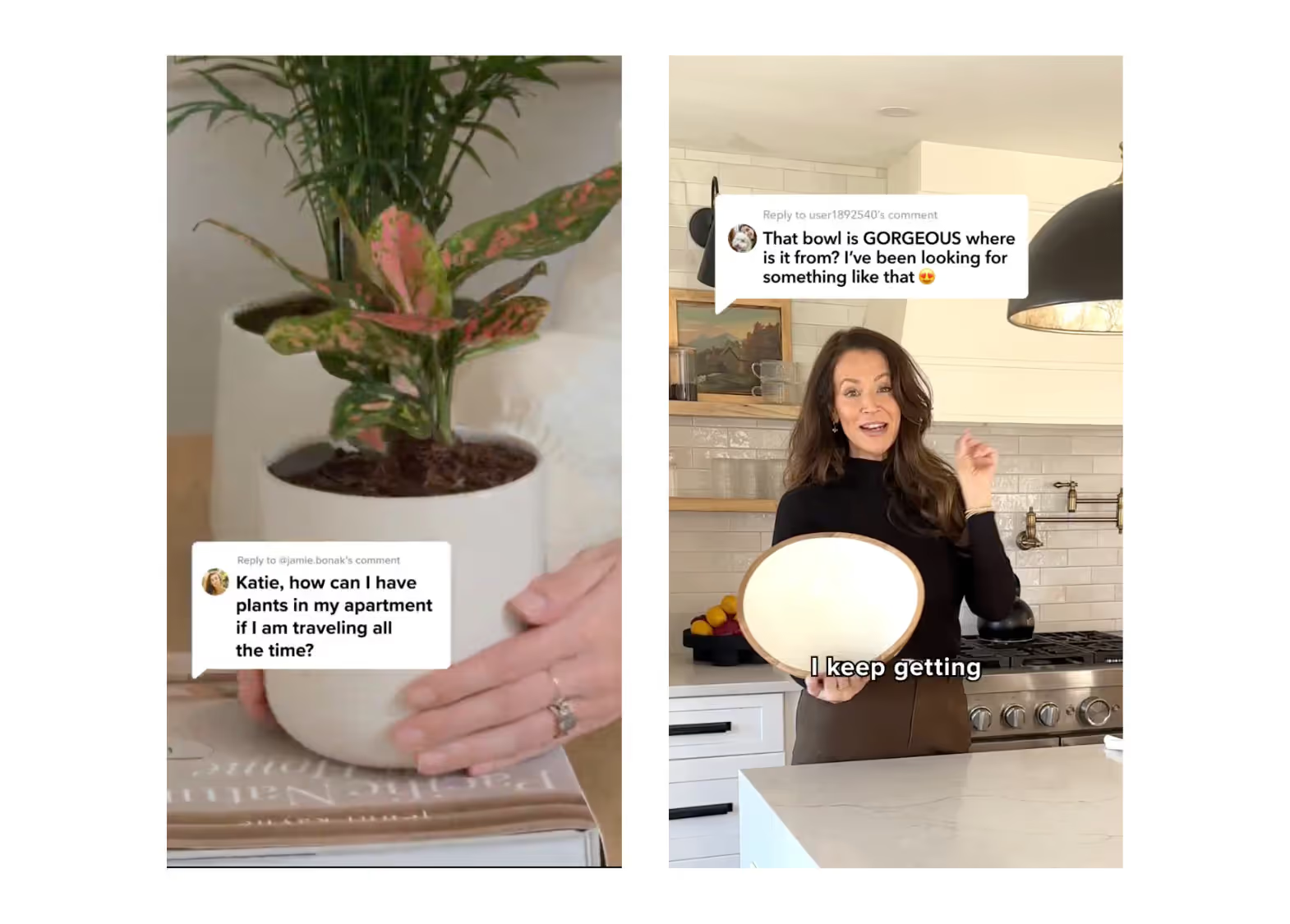
Why it works
Viewers instinctively read comments because they're accustomed to seeing them on platforms like TikTok and Instagram. That familiarity builds credibility while adding an element of social proof.
How to use it
This hook works particularly well for UGC, testimonials, and problem-solving content. Whenever possible, use real customer questions or comments to make the creative feel even more authentic.
10. Post-it notes
Simple, inexpensive, and incredibly effective, the Post-it note hook continues to be one of the easiest ways to create curiosity.
Whether you're revealing a surprising message, covering and uncovering text, or using Post-it notes as creative transitions, this hook draws attention while feeling native to short-form video.
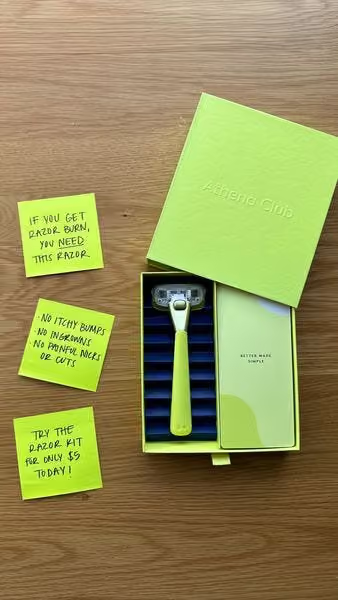
Athena Club used this hook to address different pain points that its razor kit can solve. (Source: The AI Marketer)
Why it works
Because it's so simple, it doesn't feel overly produced. It creates curiosity without distracting from the rest of the story, making it especially effective for TikTok and Instagram Reels.
How to use it
Here are two ideas for you to implement this hook—but the good news is, there are endless ways to use Post-it notes to improve engagement.
- The Reveal Trick: Write a question or statement on a Post-it (e.g., “The secret to clear skin?”). Then peel it away to reveal the answer underneath—your product, a surprising fact, or a call to action.
- The Step-by-Step Guide: Use multiple Post-its to break down a process or highlight key benefits of your product. This works great for educational content, testimonials, or product comparisons.
11. Curiosity
A curiosity hook taps into people's natural desire to uncover hidden information. It teases something intriguing—whether it's a surprising visual, a hidden reveal, or an unexpected insight—encouraging viewers to keep watching.
Why it works
Curiosity hooks create an open loop. When viewers feel like they're missing part of the story, they're naturally motivated to stick around for the reveal.
This technique works especially well in beauty, fitness, finance, and ecommerce, where a surprising claim or visual can quickly grab attention.
How to use it
Want to know how it works? Check it out:
One example of this hook in action is the phrase: “I know something big companies don’t want you to know.” This immediately sparks interest because it suggests exclusive, insider knowledge that the viewer doesn’t have yet.
In terms of visuals, imagine a black-and-white close-up of a sneaker, with a big red “X” over it. The contrast instantly signals something is wrong, making viewers stop and question what’s happening. The mystery keeps people watching, waiting for the reveal.
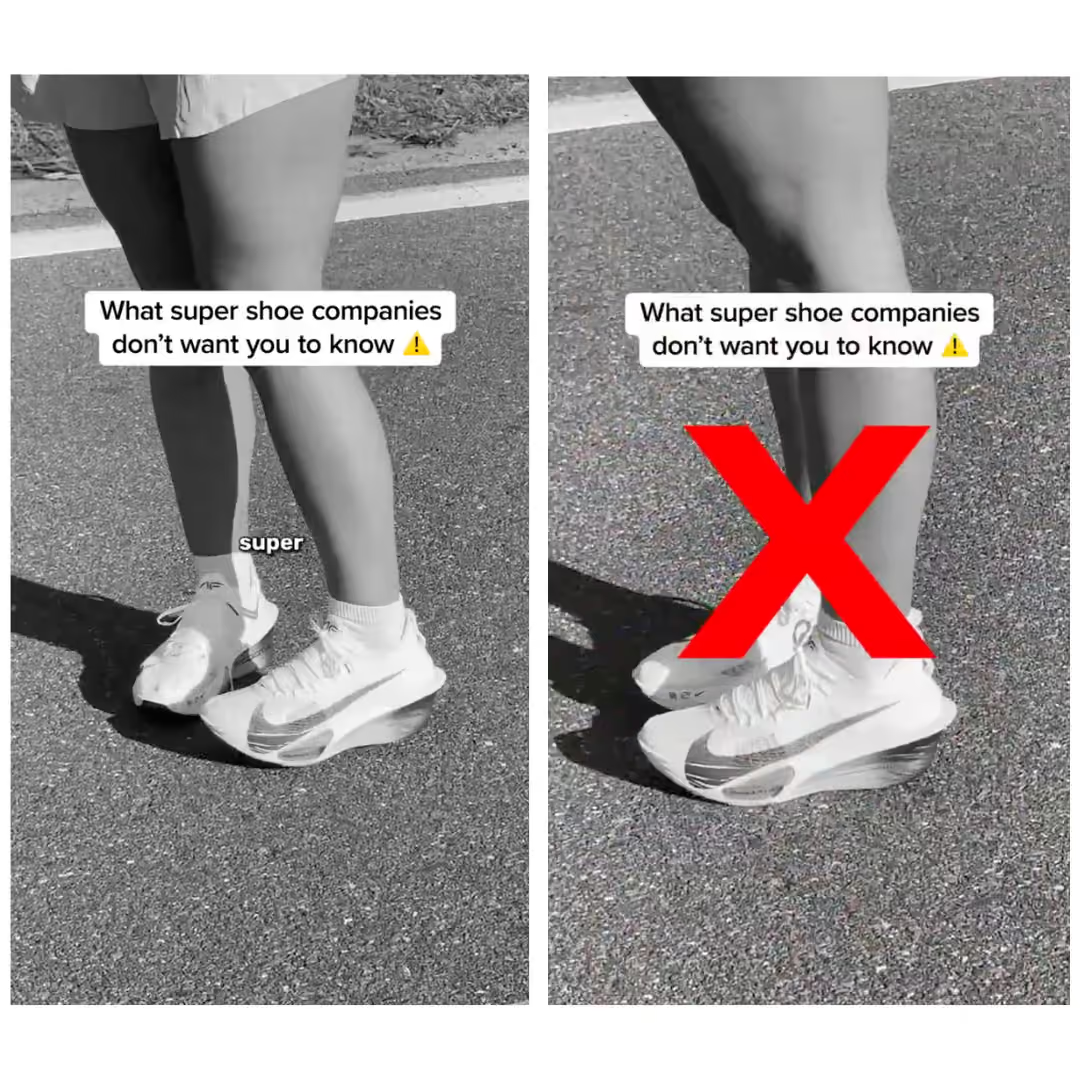
12. Shock factor
Have you ever seen an ad and thought, "What are they doing?"—and kept watching because you needed to know what happened next?
That's exactly how the shock factor hook works. It uses an unexpected visual or demonstration to surprise viewers and provoke an immediate emotional response.
Why it works
Unexpected visuals naturally generate curiosity. They also allow you to demonstrate a product benefit instead of simply talking about it. When done well, these creatives become highly memorable and shareable.
How to use it
Think about ways to exaggerate or dramatize your product's strongest benefit. For example, Tempur-Pedic is famous for its wine glass test, which involves someone jumping on the brand’s mattress without spilling the full glass of wine that’s on it. The company still features this test as a hook for its ads. It’s effective because viewers want to know whether the demonstration will actually work.
13. Jump cuts
Jump cuts are a fast-paced editing technique that rapidly switches between scenes, angles or actions to keep viewers engaged from the very first second.
Why it works
By removing pauses and keeping the pace moving, jump cuts create energy and momentum. They're especially effective for products associated with performance, movement or transformation. You can see the athletic apparel brand Lululemon use this hook to promote its Summer Series in New York City.
How to use it
Quickly cut between multiple actions, perspectives or product shots to maintain visual interest. Pair the edits with punchy text overlays and music that matches the pace of the creative.
This technique also works well for before-and-after transformations or showing a product in action from multiple angles.
14. Slow motion
Here's one of those timeless techniques that always seems to make a comeback: slow motion.
In a world of quick cuts and fast-moving content, slowing things down feels unexpected. That contrast alone is often enough to capture attention.
Why it works
Slow motion gives weight to a moment and encourages viewers to pause. It's especially effective for products that rely on texture, comfort or sensory appeal.
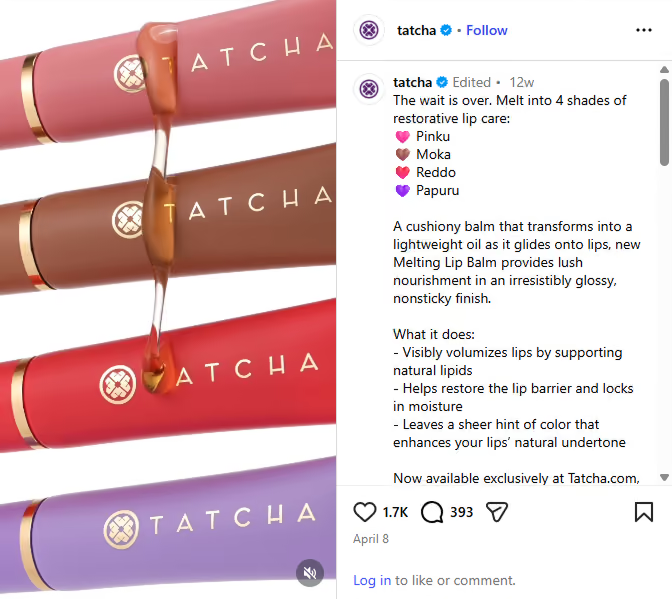
Think skincare, fabrics, food, or anything that invites the viewer to feel through the screen. This hook enhances that sensory experience. Tatcha, a beauty brand, uses this technique to highlight the colors and texture of its lip balm.
How to use it
Focus on products or moments that naturally appeal to the senses. Capture them in high quality with enough detail that viewers can appreciate the movement and texture.
In the example below, slow motion transforms a simple bedding demonstration into something viewers can almost feel through the screen.
15. Cinematic wide shot
Want to make your ad feel high-budget and instantly eye-catching? A cinematic wide shot is a simple way to create scale, movement and excitement in just a few seconds.
Why it works
Starting with a dramatic wide shot pulls viewers into the scene before transitioning to the product. The movement captures attention while the cinematic aesthetic gives the creative a premium feel.
How to use it
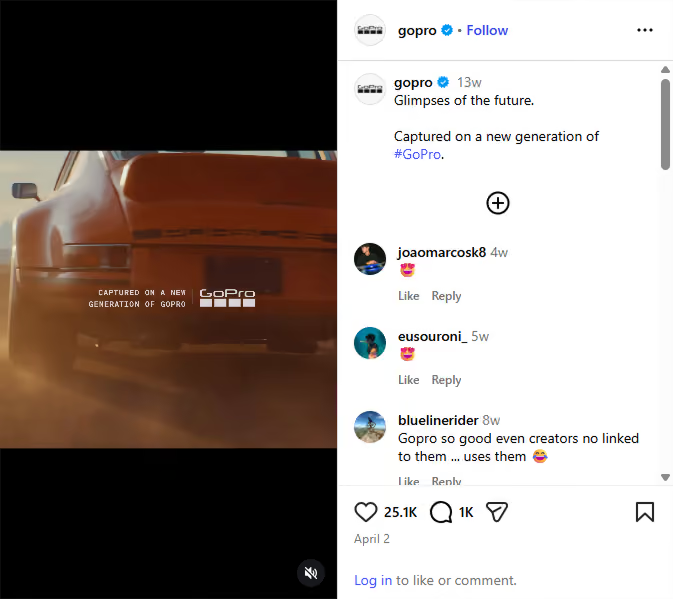
Use a drone, ultra-wide lens or sweeping camera movement to establish the scene before revealing the product. This hook works particularly well for travel, outdoor, and adventure brands, such as the action camera brand GoPro.
Why visual hooks matter
Some visual hooks may come and go as trends evolve, but the brands that consistently test new creative approaches are the ones that stay ahead. Use these ideas as inspiration, adapt them to your brand, and keep experimenting to discover what resonates with your audience.
Capturing attention is only the first step. Primer helps brands create, test, and optimize high-performing ad creative—from UGC and video ads to landing pages—so every campaign has the best chance to convert. Contact us to see how our team can help you create ad creative that drives measurable growth.
.avif)
.avif)
.avif)
.avif)
.avif)
.avif)
.avif)


%2C%20Color%3DNegative.svg)
.svg)